


Table of Contents
Let’s get past the candy-coated hype. The real question isn’t if gummies work. It’s how their unique delivery system changes everything—for better or worse. This article breaks down the complex science behind gummy vitamin absorption. We’ll see why some gummy nutrients are more bioavailable than pills, while others degrade on the shelf before you open the bottle. Understanding gummy vitamin absorption is key to choosing effective supplements.
First, we’ll follow a gummy on its digestion journey. I’ll explain why chewing and saliva give it a potential head start over a swallowed pill. Next, we’ll have a detailed bioavailability face-off. We’ll compare gummy vs. pill absorption for different nutrient types, like fat-soluble vs. water-soluble vitamins and minerals. The answer totally depends on the ingredient.
Then, we’ll tackle the stability problem. We’ll look at why humidity and heat are a gummy’s worst enemies. I’ll show you how some brands “over-pack” with extra vitamins to make up for predictable potency fade. Finally, I’ll translate this into a practical selection guide. You’ll learn how to spot a well-made gummy by decoding labels for encapsulation tech and third-party testing. The goal is to find options that are genuinely effective, not just tasty.
Are Gummy Vitamins Effective for Nutrient Absorption?
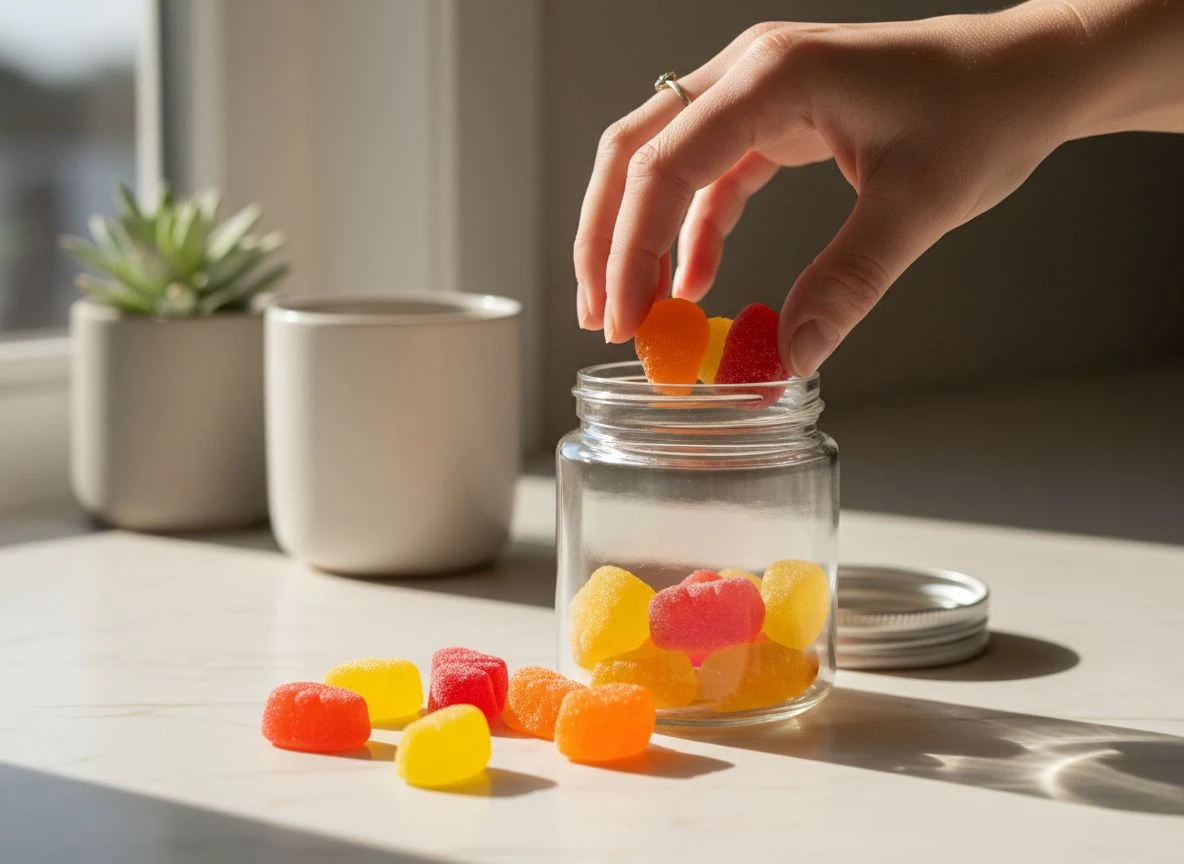
Let’s be real. Most people see vitamin gummies as candy for adults. They’re an easy, tasty choice for anyone who hates swallowing pills. I thought that way too—until a vitamin D deficiency made me pay attention. After months of forgetting my chalky tablets, I switched to gummies. Finally, I was consistent. But then I noticed something odd. Some brands seemed to work better than others. It wasn’t just in my head. The efficacy of gummy vitamins hinges on gummy vitamin absorption.
A 2019 study found vitamin D3 from gummies had nearly double the bioavailability of tablets. The absorption area-under-the-curve was 1,474 versus 774 ng·h/mL. So, are they just candy? Honestly, the science says it’s more complicated—and far more interesting.
Gummies aren’t just a tasty shell on a standard nutrient. Their whole delivery system is unique. The chew mixes nutrients with saliva. The specific gel matrix carries them. This creates a special physiological journey. In specific cases, it can make them a superior delivery method to traditional pills. It can also make them a fragile, degraded mess before you even open the bottle.
In this article, we’ll move past the simple “good or bad” debate. I’ll walk you through the digestion mechanics that give gummies a head start. We’ll cover the frustrating stability challenges that can ruin a good formula. Finally, I’ll show you how to decode a label to find a gummy that’s engineered for efficacy, not just a sweet tooth.
How Chewing Impacts Gummy Vitamin Bioavailability
Here’s the short answer. Chewing a gummy jump-starts digestion in your mouth. It mixes nutrients with saliva. This can lead to faster nutrient release in your stomach. Swallowing a dry pill whole is different. The physical act of chewing breaks down the gummy matrix. It also avoids the binding agents in tablets that can sometimes irritate sensitive stomachs. This chewing process directly influences gummy vitamin absorption.
The Role of Saliva in Digesting Gummy Supplements
Let’s compare the experience. Swallowing a pill is a transaction. You gag it down with water, and hope the coating holds until it hits your stomach. A gummy is an experience. You chew it. You taste it. Without realizing it, you’ve started the digestive process before the supplement reaches your esophagus.
This isn’t just about enjoyment—it’s physiology. As Dr. Cranney notes, chewing stimulates saliva production. Saliva contains digestive enzymes like amylase. Now, the popular claim about “sublingual absorption” through the cheek is mostly overblown. You don’t hold a gummy in your mouth long enough for major direct nutrient transfer. The real salivary advantage is simpler.
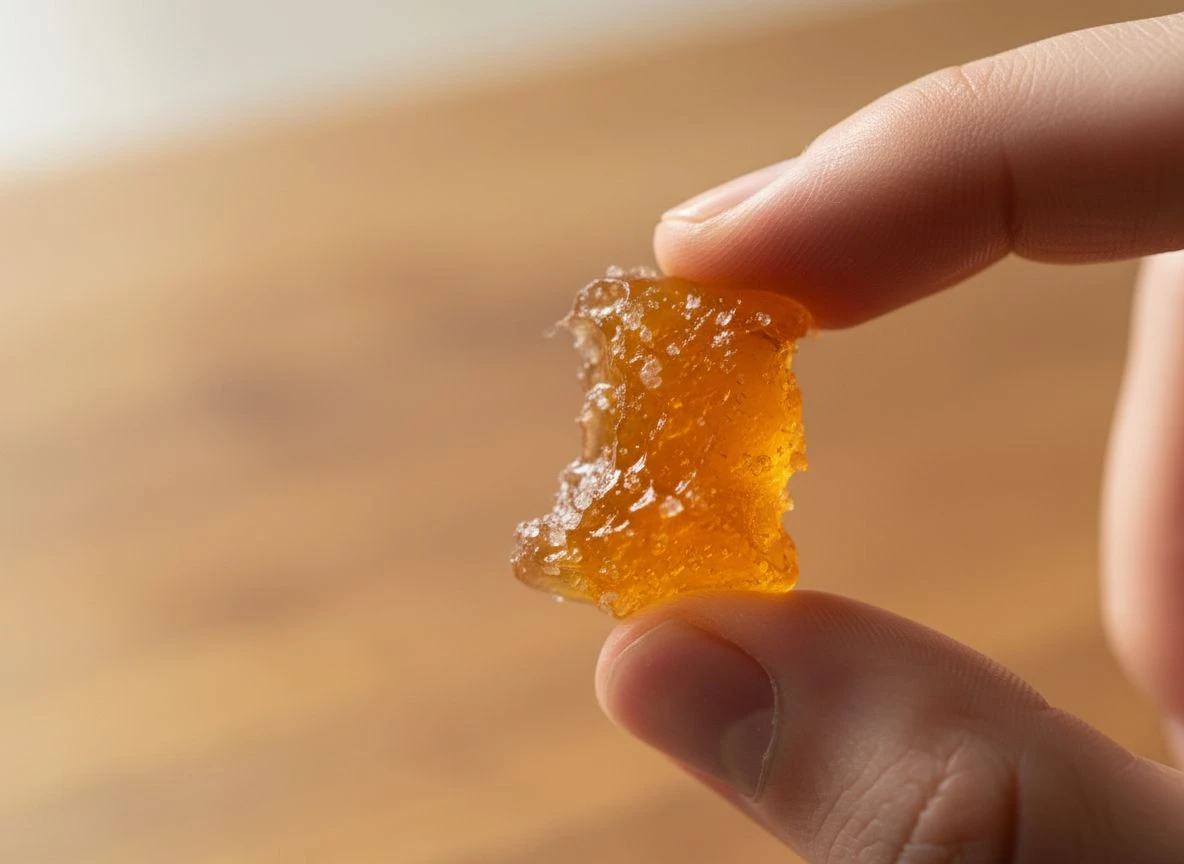
It’s about the mechanical and enzymatic breakdown of the gummy’s carbohydrate matrix. That’s the pectin or gelatin that gives it structure. By chewing the gummy and coating it in saliva, you’ve begun dissolving its structure. When it hits your stomach, it’s already a softened, partially broken-down mass. This potentially allows for a faster release of the embedded nutrients. A compressed tablet has to disintegrate from scratch. Think of it as getting a 20-yard head start in a digestion race. Understanding saliva’s role in digestion can further clarify gummy vitamin absorption.
Why Gummies Are Easier on Sensitive Stomachs
There’s another subtle benefit that’s often missed: what gummies don’t contain. Compressed tablets need excipients. These are inactive ingredients that hold everything together. They often include binding agents like cellulose or certain synthetic polymers. For some people with sensitive stomachs, these binders can be irritating.
Gummies, by their gel-like nature, don’t need those same harsh binding agents. Their structure comes from the gelling agent (gelatin or pectin) and sugar. This difference is why UCLA Health points out that gummies are often easier on the stomach. They tend to dissolve more gently and completely.
From my own testing, I’ve noticed something. Cheap, poorly formulated tablets sometimes seem to pass through partially intact. It’s an unsettling thought. A well-made gummy, on the other hand, breaks down completely. You’ve already done half the work with your teeth.
So, while you’re enjoying that berry flavor, you’re not just avoiding pill fatigue. You’re manually kickstarting a delivery process. It can be more efficient and more comfortable for your gut. It’s a clever hack built right into the format.
Gummy vs Pill Bioavailability for Key Nutrients
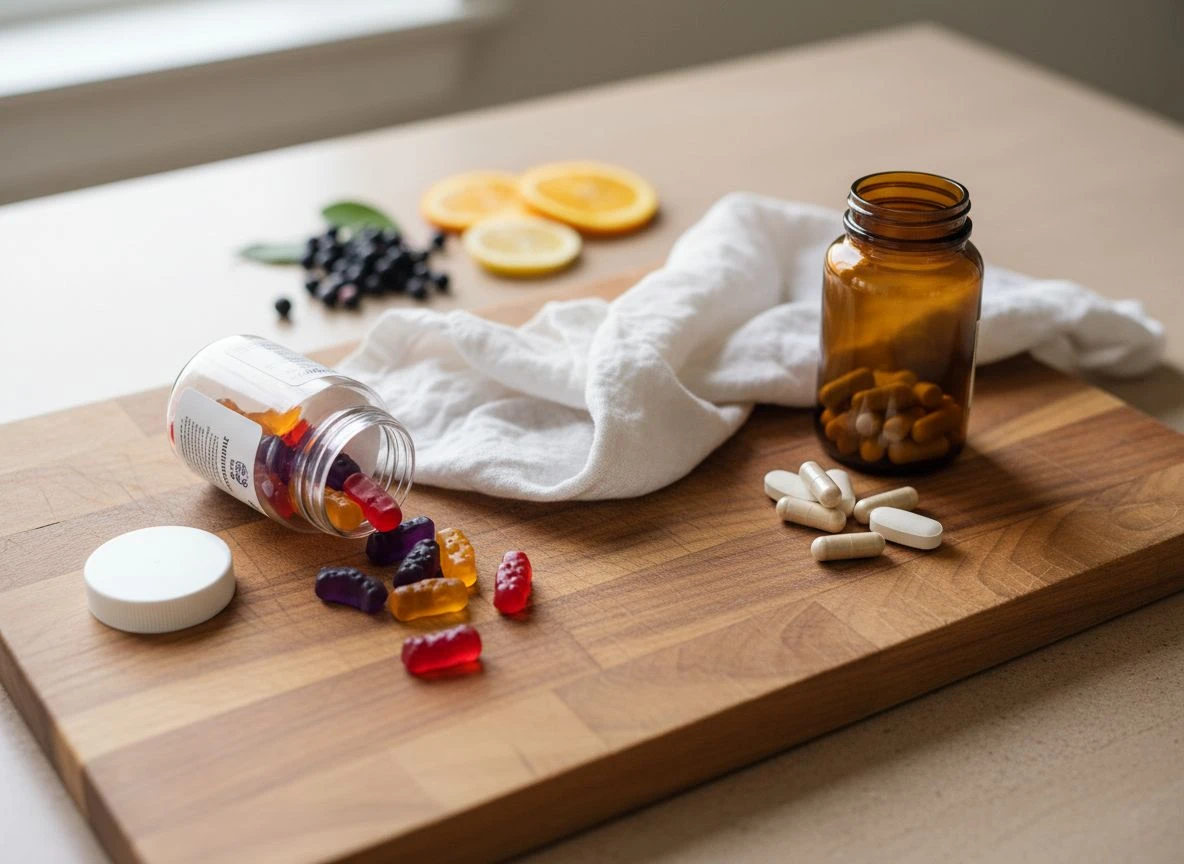
Here’s the honest truth. It might be unsatisfying. Whether a gummy beats a pill is a nutrient-by-nutrient judgment call. There’s no universal winner. For some vitamins, the gummy matrix offers a clear absorption advantage. For others, it’s a fragile, problematic vehicle. The answer depends entirely on the specific compound’s chemistry and how it interacts with the gummy’s gel structure. Comparing bioavailability reveals nuances in gummy vitamin absorption.
Let’s start with the headline victory for gummies: Vitamin D3. The data here is compelling. That 2019 study I mentioned isn’t a minor blip. It found the gummy form had nearly double the bioavailability of the tablet. This was based on the total amount absorbed over time [1]. This makes sense mechanistically. Learn more about vitamin D absorption and its role in gummy vitamin absorption.
Vitamin D is fat-soluble. Many high-quality gummies use an oily base, like sunflower or coconut oil, to carry these nutrients. This can promote emulsification and absorption in the gut. It’s a brilliant food-first approach.
But this success story isn’t the whole picture. As dietitian Shyla Davis-Cadogan said in a PBS interview, formulating gummies has major hurdles. It’s tough to pack in high concentrations of actives. The format is also notoriously sensitive to moisture, which can degrade potency before you take it [3].
This is where the nutrient split becomes critical. Think of it in two categories:
- Fat-Soluble Vitamins (A, D, E, K) in an Oily Base: This is where gummies can shine. As with Vitamin D, suspending these nutrients in the gummy’s lipid components can mirror their natural food-based delivery. This potentially enhances absorption. Pilot data from 2020 even suggested promising absorption for vitamin E in gummy form [5].
- Water-Soluble Vitamins (B-Complex, C) and Minerals: Here’s the tricky part. These nutrients love water, and gummies are hydrated gel networks. This can lead to instability. Minerals like calcium, zinc, or iron are particularly problematic. They can degrade the pectin or gelatin matrix. This leads to a gritty texture, off-tastes, and poor shelf stability. Their ionic forms can also be poorly absorbed without specific chelates (like bisglycinate). These are rare and expensive to put into gummies.
So, what’s the practical takeaway from this face-off? Stop asking if gummies are better than pills. Start asking: “Is the specific nutrient I need compatible with and stable in a gummy format?” Your goal for a potent mineral supplement is likely better served by a capsule. But for that daily dose of Vitamin D? The evidence suggests a well-made gummy might just be the smarter vehicle for gummy vitamin absorption.
Do Gummy Vitamins Lose Potency Over Time?
Here’s the short answer. Gummies are inherently less stable than pills. Their moist, porous gel matrix acts like a sponge for environmental damage. This leads to nutrient degradation that can happen long before the expiration date. It forces a troubling industry practice called “over-packing.” Manufacturers add extra vitamins to make up for known losses. This creates inconsistency—and potential risk—from one bottle to the next. Potency loss can severely impact gummy vitamin absorption.
How Storage Conditions Degrade Gummy Supplements
I learned this lesson the hard way. Last summer, I left a brand-new bottle of vitamin C gummies in my car for about three hours. When I came back, I didn’t just have a sticky mess. I had a crystallized, discolored blob. That “hot car test” was an extreme version of what happens slowly on your shelf.
As dietitian Shyla Davis-Cadogan warned in her PBS interview, moisture is public enemy number one. Gummies are hygroscopic. They actively pull water from humid air. Think about your bathroom after a shower. This absorbed water speeds up the breakdown of sensitive nutrients like vitamin C and some B vitamins. Heat and light further accelerate these degradation reactions.
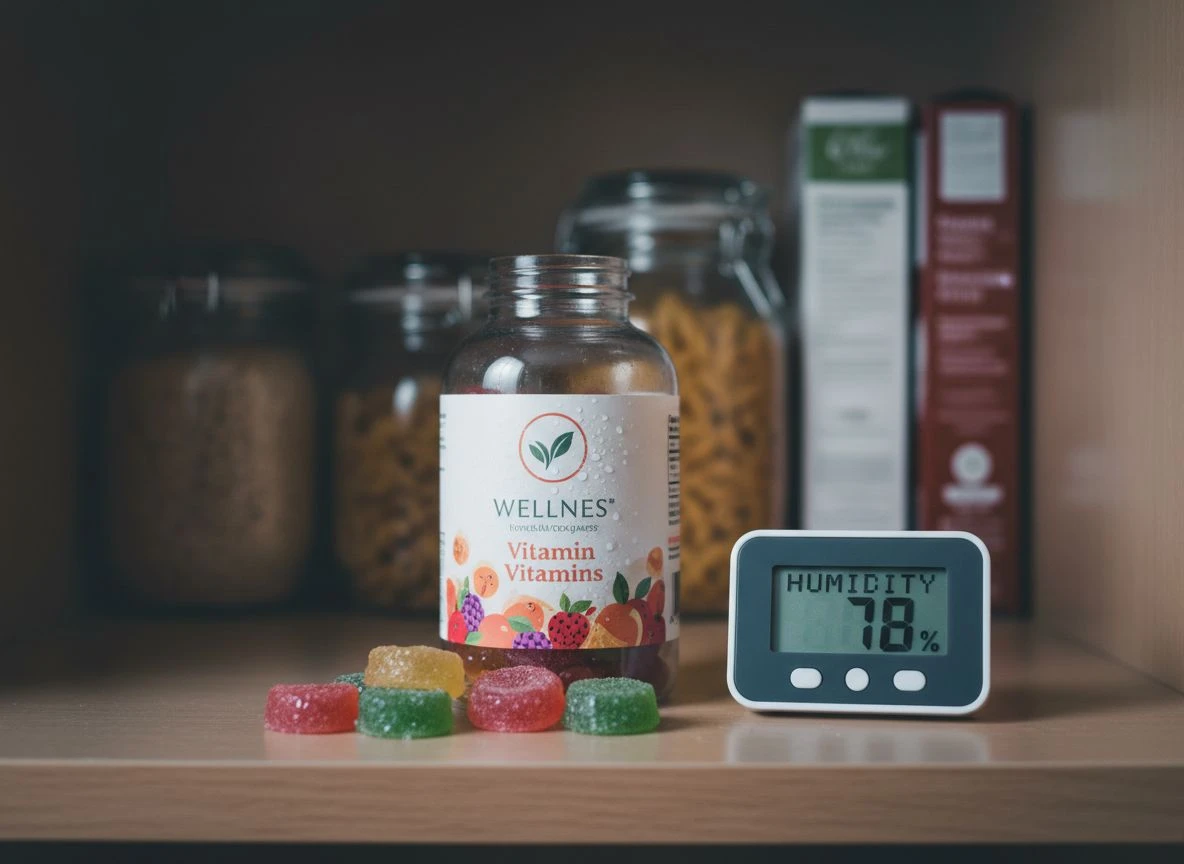
A compressed tablet, with its dry, dense structure, is more inert. It’s better protected against these environmental factors.
Understanding Overages in Gummy Vitamin Formulas
This brings us to the industry’s tricky solution, which UCLA Health highlighted. Manufacturers often deliberately “over-fortify” or “over-pack” their gummies. They add more of a vitamin than the label claims. They know a significant percentage will degrade before the printed expiry date.
The goal is for the gummy to still meet its label claim at the end of its shelf life. But think about the practical implications:
- A fresh bottle might deliver a significantly higher dose than advertised. For nutrients with upper safety limits—like Vitamin A, where excess can be toxic—this isn’t just inaccurate. It’s a potential safety concern, especially for children.
- An old bottle near expiry, or one stored poorly, could deliver a sub-therapeutic dose. You’re taking it for a benefit you’re simply not getting.
You end up playing a nutrient lottery. It depends on your bottle’s manufacture date and storage history. This undermines the entire point of taking a measured, consistent supplement.
FAQs
How should I store my gummy vitamins?
Always keep them in a cool, dark, and dry place. A kitchen cupboard away from the stove or oven is ideal. Never store them in the bathroom or on a sunny windowsill. The fridge can help in very humid climates. Just make sure the container is sealed tight to prevent them from absorbing fridge odors.Does a change in texture or color mean they’ve gone bad?
It’s a major red flag for potency loss. If your gummies are too hard, sticky, have changed color, or are “sweating” sugar, the structural breakdown has likely degraded the nutrients inside too. It’s time to replace them.
Gelatin and Pectin Effects on Gummy Absorption
Here’s the short answer. The chewy part of your gummy isn’t just a sweet vehicle. It’s an active delivery system. Whether it’s made from animal-derived gelatin or plant-based pectin creates different gel networks. This can influence how, and how well, nutrients are released in your gut. The gel matrix plays a crucial role in gummy vitamin absorption.
Most people choose based on diet (vegan or not) or texture preference. Pectin gummies tend to be firmer and more candy-like. Gelatin provides that classic, elastic chew. But the difference is biochemical.
Gelatin comes from collagen. It forms a matrix that melts at body temperature. Pectin is a plant fiber. It forms a tighter, heat-stable gel through different bonds.
This matters because that matrix is the environment holding your vitamins. Remember the 2019 study where vitamin D3 gummies had nearly double the bioavailability of tablets? The researchers specifically pointed to the “gummy vehicle” as a likely factor. That vehicle was a blend of syrup, gelatin, and pectin. It wasn’t just the vitamin; it was the delivery architecture.
Modern food science treats these gels as precision tools. As a 2023 NIH review on delivery systems notes, “three-dimensional cross-linked gel networks” can be designed to protect nutrients from stomach acid. They can control release downstream. A well-designed matrix is a shield.
So, which is better? Honestly, we don’t have a clear winner from the research. Here’s the critical gap. We lack head-to-head studies comparing gelatin and pectin for delivering specific nutrient types.
Does pectin’s tighter structure better protect a delicate probiotic through the stomach? Does gelatin’s melt-in-your-gut quality help minerals release faster? The marketing claims outpace the evidence. Your choice may depend more on your dietary needs than on proven superiority—for now.
Advanced Delivery Technologies in Modern Gummies
Here’s the short answer. The conversation isn’t really about gummies versus pills anymore. It’s about simple candy-like vehicles versus engineered delivery systems. Advanced tech like microencapsulation and 3D printing are creating a new category of “smart” gummies. They’re designed to protect sensitive nutrients and release them where they’re best absorbed. Modern technologies aim to optimize gummy vitamin absorption.
To understand the leap, picture a standard gummy. Vitamins are just mixed into the gel. Now, imagine each nutrient particle is individually wrapped in a microscopic, protective shell. That’s microencapsulation.
This “shield” can be designed to withstand stomach acid, heat, and moisture. It only breaks down when it reaches a specific pH in the intestines for optimal absorption.
This isn’t just theoretical. A 2023 NIH review highlighted alginate-based multilayered gel microspheres. They acted as a pH-responsive carrier for riboflavin (B2) and beta-carotene. The structured layers provided “thermally stable protection.” This significantly boosted the nutrients’ bioaccessibility—what your body can actually grab and use—compared to unprotected forms.
This is the shift. A gummy moves from a simple matrix to a precision-guided system. As noted by innovators like Nourished, combining this advanced encapsulation with 3D printing allows for amazing precision. It locks unstable actives away from degrading factors until the moment of release.
When you look at a supplement label now, don’t just check the doses. Look for brands that mention specific delivery technologies or encapsulation methods. It’s a strong signal. It shows they’re thinking beyond the basic recipe and investing in the architecture of absorption. A great nutrient formula is useless if it doesn’t survive the journey to your cells.
The Hidden Ingredients That Affect Gummy Vitamin Absorption
Here’s the uncomfortable truth. The very ingredients that make gummies palatable create a nutritional paradox. We want a tasty, appealing supplement. But that often requires sugar, syrups, citric acid, and colors. These elements can affect both your health and the nutrient delivery itself. Additives can either hinder or help gummy vitamin absorption.
Let’s start with the big one: sugar. Per UCLA Health, a serving typically has 2 to 8 grams of added sugar. From a pure health standpoint, that’s empty calories. But from a formulation perspective, it gets weirdly interesting.
This is theoretical, but I’ve debated it with food scientists. Could the sugar content, by prompting an insulin and digestive response, inadvertently improve the absorption of certain compounds? Could it work better than taking a tablet on an empty stomach? It’s a provocative thought. It highlights how complex delivery systems are. Sometimes the “bad” stuff functionally aids the “good” stuff.
Then there are the other common additives. Citric acid gives that tangy punch and acts as a preservative. But it can irritate some people’s guts. Artificial colors? Mostly a cosmetic choice with no nutritional upside. These ingredients exist for palatability and shelf-stability, not for your benefit.
The trade-off is stark. The appealing format improves compliance. You’re more likely to take a tasty gummy daily. But it comes bundled with ingredients you might otherwise limit. There’s no free lunch—or free gummy.
The best you can do is look for brands that use minimal added sugar. Some use sugar alcohols like tapioca syrup. Also, skip the artificial dyes. In the end, a delivery system should deliver nutrients, not just a sugar rush.
Reading Gummy Labels for Optimal Bioavailability
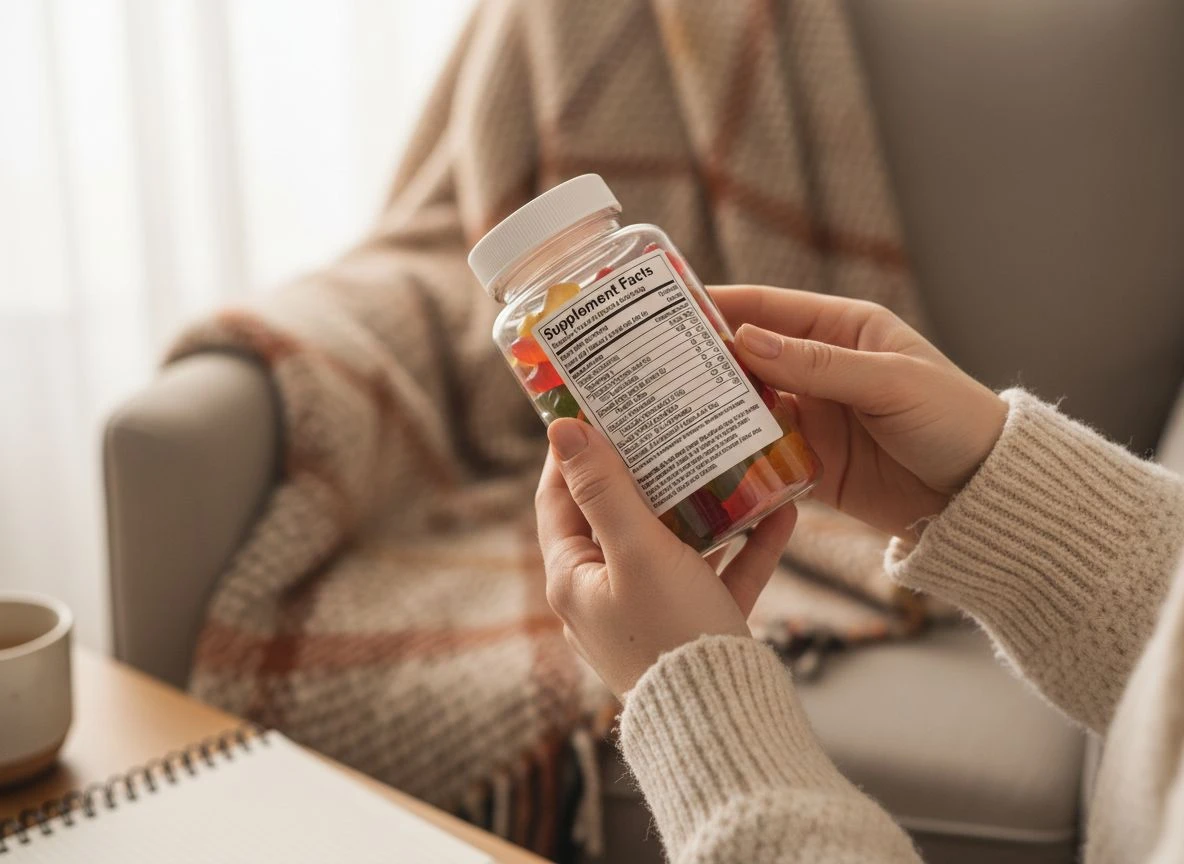
Here’s the short answer. You need to become a label detective. A gummy’s true quality isn’t in its marketing. It’s in the ingredient deck and the fine print. The right details tell you if nutrients will survive storage and reach your bloodstream. Or if they’re just expensive candy. Proper label reading ensures optimal gummy vitamin absorption.
Look, I know labels are boring. But when you know what to look for, it becomes a quick 30-second audit. It separates the truly effective formulas from the glorified sweets. My approach comes from years of testing and talking with formulators about where production goes wrong.
Let’s be real. The biggest hurdle is homogeneity. Getting an even spread of a tiny amount of vitamin powder throughout a sticky, sugary batch is notoriously hard. This is why third-party testing is non-negotiable for me. Organizations like USP or NSF provide it.
As UCLA Health notes, without this testing, you have no proof the dose on the label is in each piece. This is the “Standardized Testing Limitations” gap. Many brands skip this costly step, leaving you guessing.
Use this checklist every time you pick up a new bottle:
- Look for “microencapsulated” or “lipid-coated” nutrients. This is your #1 signal for a smart delivery system. It means sensitive actives are shielded from heat, moisture, and stomach acid. It’s a direct investment in bioavailability.
- Prioritize third-party certification seals. USP or NSF seals mean the product has been independently verified. They check for label accuracy, potency, and the absence of contaminants. This is your best defense against the homogeneity problem. Learn more from our third-party testing guide.
- Check the “best by” date AND storage instructions. Potency fades. A fresher product is better. If it says “store in a cool, dry place,” listen. A humid bathroom cabinet will degrade it faster.
- Note the gelling agent and sugar content. Gelatin (animal-based) and pectin (plant-based) perform differently. Also, add up those added sugar grams. You want the nutrient, not a sugar crash.
- Be wary of proprietary blends that hide doses. A “Proprietary Energy Blend: 500mg” is a red flag. You deserve to know how much of each ingredient you’re taking. You need to assess the actual dose against clinical research.
Your homework? Grab a gummy bottle from your cabinet right now. Run it through this list. It’s the most direct way to take control of what you’re actually putting into your body.
Gummy Vitamin Absorption FAQs
Here’s the quick take. Are gummies as effective as pills? For some nutrients, yes—maybe even better. A 2019 study found vitamin D3 gummies had nearly double the bioavailability of tablets. But it depends heavily on the nutrient, the formulation, and how you store them. Shelf-life and added sugars are the real trade-offs.
Is any nutrient absorbed under the tongue from a gummy?
Honestly, no—not in any meaningful way. Chewing mixes nutrients with saliva, but the contact time is too short for proper sublingual absorption. The real benefit is that this early chewing kick-starts digestion. It can lead to a faster release in your stomach compared to a swallowed pill.Do gummy vitamins expire faster than pills?
Yes, and moisture is the main culprit. As Shyla Davis-Cadogan explained to PBS, the gelatin or pectin matrix is hygroscopic. It pulls moisture from the air. This speeds up degradation. A pill in your bathroom cabinet might be fine. A gummy stored there could lose potency much faster.Is the sugar content a major problem?
It’s a significant consideration. Most gummies contain 2 to 8 grams of added sugar per serving. For context, that’s not a huge amount alone. But it’s empty calories that add up if you take multiple supplements. The bigger issue is that sugar helps mask bitter nutrients. So, high-sugar formulas can sometimes indicate lower-quality actives that need hiding.Why are some gummy vitamins so sticky?
That’s usually a sign of humidity exposure or a formulation heavy in cheap syrups, like glucose or corn syrup. This stickiness isn’t just annoying. It can mean the product is already absorbing environmental moisture. That compromises the stability of the sensitive nutrients inside.Can I take a gummy on an empty stomach?
You absolutely can. Many people find them gentler than tablets because they lack binding agents. The small amount of carbohydrates from the gummy itself may even help absorb certain supplements. That said, fat-soluble vitamins (A, D, E, K) are still best taken with a meal containing some fat for optimal uptake.
Why Gummy Vitamin Formulas Matter Most for Absorption
Here’s the bottom line. A gummy isn’t inherently better or worse than a pill for nutrient delivery. The true determinant of bioavailability is the intelligence of its formulation. A well-designed gummy with microencapsulated actives and rigorous quality control can offer superior gummy vitamin absorption for specific nutrients. Meanwhile, a cheap, sugar-loaded gummy stored in your humid bathroom will almost certainly underperform its label claims.
Looking back at everything we’ve covered, the throughline is clear. We saw the salivary head-start and the brutal reality of stability loss. The 2019 study showing gummy vitamin D’s superior bioavailability wasn’t a win for gummies. It was a win for that specific, well-engineered gummy delivery system. The distinction is everything.
So, what do you do with this knowledge? You become a more discerning buyer. Stop asking, “Are gummies effective?” Start asking, “Is this gummy’s delivery system designed for effectiveness?” Look for the markers of a thoughtful formula. Watch for encapsulation technology, third-party testing for dose uniformity, and sensible storage instructions. Judge the product by the care put into protecting its nutrients, not just by its flavor.
Bioavailability isn’t decided by whether a supplement is chewy or swallowed. It’s decided by the care, science, and quality control behind its delivery system. Choose the system, not just the shape.

I founded Best Gummy Reviews after discovering shocking quality gaps during my own vitamin D treatment. With 8+ years in nutrition research, I combine lab science with real-world testing to tell you what actually works. I’m thorough but straightforward—supplements should complement your healthy habits, not replace them.