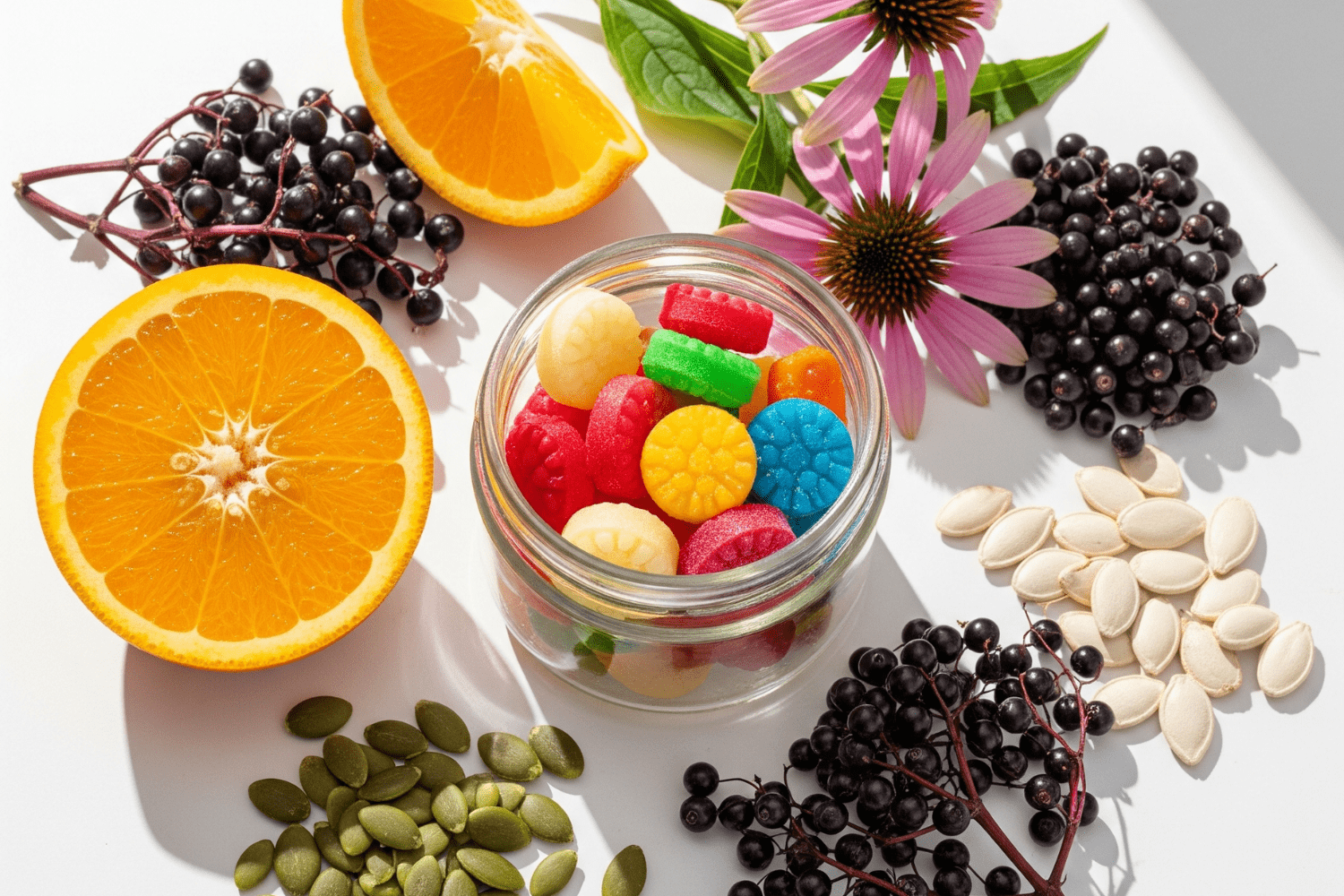


I’ve been knee-deep in sleep supplements for years, popping pills and chewing gummies to see what really works. Sleep gummies? They’re my current obsession. These little fruit-flavored chewables feel like a treat but promise to fix your sleep woes. Sounds too good to be true, right? Well, sometimes it is—but not always. Some ingredients have solid science behind them, while others lean hard on hype. Let’s unpack what’s in these gummies, how they affect your sleep, and how to pick the best ones for you.
- My Recommendations
- Sleep Cycle Explained: How Sleep Stages Affect Rest
- Melatonin Sleep Gummies: Benefits for Falling Asleep
- Magnesium and L-theanine Gummies: Natural Sleep Aids
- CBD and Herbal Sleep Gummies: Modern Meets Traditional
- Sleep Gummies vs. Sleeping Pills: Which Is Better?
- How to Use Sleep Gummies for Maximum Effectiveness
- Side Effects of Sleep Gummies to Watch For
- Key Takeaways for Choosing Sleep Gummies
- Conclusion: Are Sleep Gummies Right for You?
- References
Look, I’m not here to sugarcoat things. I’ve tested dozens of brands, and the results vary wildly. Some gummies knock me out; others leave me staring at the ceiling. In this guide, I’ll break down the big players—melatonin, magnesium, L-theanine, CBD, and herbs. You’ll get the lowdown on what helps you drift off faster, what keeps you asleep, the right doses, and who benefits most. Plus, I’ll throw in extra tips from my trials and dig deeper into the science to help you make sense of it all.
My Recommendations
Best Overall Sleep Gummies – Goli Dreamy Sleep
Gummies
For an all-around sleep solution, Goli Nutrition Sleep Gummies earn our vote as the best overall. These vegan, non-GMO gummies combine melatonin (3 mg), magnesium glycinate (200 mg), and lemon balm to help you fall asleep faster and stay asleep longer. In my testing, they strike a perfect balance—gentle enough for nightly use but potent enough to make a difference. Fans love waking up refreshed with no groggy hangover, and the berry flavor is a treat. Backed by third-party testing, they’re ideal for anyone seeking a clean, effective sleep aid that supports both sleep onset and quality.

Best CBD Brand – Sunday Scaries

If anxiety keeps you tossing and turning, Sunday Scaries CBD Gummies are our top pick for the best CBD sleep gummies. Each gummy delivers 25 mg of full-spectrum CBD, crafted to melt stress and pave the way for calm, restful nights. I’ve tried these after hectic days, and they’re like a mental reset button—my racing thoughts slow, and sleep feels within reach. Users rave about their effectiveness for relaxation without heavy sedation, though some note a slightly bitter aftertaste. Third-party tested and made with USA-grown hemp, they’re a reliable choice for non-habit-forming sleep support, especially for those with stress-related insomnia.
Sleep Cycle Explained: How Sleep Stages Affect Rest
Sleep isn’t just crashing for a few hours. It’s a complex cycle with stages that repeat 4–5 times a night, each lasting about 90–120 minutes. Your brain and body need these stages to recharge, repair, and process everything from the day. Here’s a simple rundown:
Each stage matters, and different sleep issues mess with different parts. If you can’t fall asleep, that’s a problem with getting to N1. If you wake up a lot, you’re bouncing out of N2 or N3. Gummies target these specific hiccups, so knowing your issue helps you pick the right one. I’ve had nights where I’m out fast but wake up at 3 a.m., and others where I’m tossing for hours before I even start dreaming. Sound familiar?
Melatonin Sleep Gummies: Benefits for Falling Asleep
Melatonin is the rockstar of sleep gummies. I’ve tried countless melatonin products—some are game-changers, others total duds. It’s not a magic bullet, but when it works, it’s like a gentle nudge into dreamland.
How Melatonin Regulates Your Sleep Cycle
Your body makes melatonin naturally when it gets dark, telling your brain, “Hey, it’s bedtime.” Think of it as your internal sunset. Unlike heavy-duty sleeping pills, melatonin doesn’t knock you out. It’s more like a conductor, setting the rhythm for your sleep cycle. This makes it great for some issues but less helpful for others.
I remember a trip across time zones where melatonin saved me. I was jet-lagged, wide awake at 2 a.m. in a hotel room. A 1 mg gummy got me back on track in a couple of nights. But when I’m waking up at odd hours? It’s not my go-to.
Melatonin’s Effects on Sleep Stages
Research backs melatonin for a few key things:
In my tests, melatonin shines when my sleep schedule’s a mess—like after late flights or stressful weeks. It’s less effective for staying asleep through the night. If I wake up at 4 a.m., melatonin’s already done its job and left the building.
Best Melatonin Dosage for Sleep
Here’s a shocker: more melatonin isn’t better. Research says 0.3–1 mg can mimic your body’s natural levels, but tons of gummies cram in 5–10 mg or more. That’s like chugging ten cups of coffee for a caffeine buzz—overkill. High doses can leave you groggy, what I call the “melatonin hangover.” I’ve woken up feeling like I ran a marathon after trying 10 mg doses. Not fun.
I stick to 1–3 mg, starting low to see how my body reacts. Studies back this—0.3 mg can work as well as higher doses with fewer side effects. If you’re new to melatonin, start small and give it a few nights.
When to Take Melatonin Gummies
Timing is everything. Pop melatonin 30–60 minutes before you want to sleep. Too early, and you might feel sleepy before you’re ready. Too late, and it won’t kick in until you’re already frustrated. I set a reminder on my phone to take it about an hour before bed, especially when traveling.
Choosing High-Quality Melatonin Gummies
Here’s where things get dicey. A study found melatonin levels in supplements can vary by 478% from what’s on the label. That’s wild! I’ve felt this firsthand—some 1 mg gummies hit like a truck, while 5 mg ones barely make me yawn. Poor quality control is a real issue in the supplement world.
To avoid duds, look for gummies with third-party testing (like NSF or USP). These brands get their products checked by independent labs to confirm what’s inside. It’s like getting a report card for your gummies—trustworthy ones pass with flying colors.
Who Benefits Most from Melatonin Gummies
- People who can’t fall asleep
- Jet lag sufferers
- Shift workers
- Older adults (your body makes less melatonin as you age)
- Anyone with a wonky sleep schedule
My Experience with Melatonin
I’ve got a soft spot for melatonin gummies because they’re easy to take—no swallowing pills, no weird aftertaste. But I’ve learned to be picky. One brand I tried tasted amazing but had so much sugar, I felt wired instead of sleepy. Now I check ingredients like a hawk and stick to low-dose, clean formulas.
Magnesium and L-theanine Gummies: Natural Sleep Aids
Magnesium and L-theanine are the unsung heroes of sleep gummies. They don’t get the hype melatonin does, but in my book, they’re just as important. These two relax you naturally, creating the perfect vibe for sleep without messing with your body’s clock.
Magnesium for Sleep: How It Relaxes You
Magnesium is involved in over 300 processes in your body, from muscle relaxation to brain function. It’s not a sedative, but it sets the stage for quality sleep. I think of it as the friend who dims the lights and plays soft music to help you unwind.
Magnesium’s Benefits for Sleep Quality
Magnesium works in a few cool ways:
A study of older adults found 500 mg of magnesium daily for eight weeks improved sleep time, efficiency, and reduced early wake-ups. It even boosted melatonin naturally and lowered cortisol. Another study hinted magnesium might increase deep sleep, which is when your body does its heavy-duty repair work. I’ve felt this myself—nights with magnesium leave me waking up feeling like I actually rested.
Best Magnesium Types and Doses for Sleep
Not all magnesium is equal. Here’s what I’ve found:
Research uses 300–500 mg of elemental magnesium for sleep. The problem? Many gummies only toss in 50–100 mg, which is like expecting a single push-up to get you swole. Check the label for “elemental magnesium” to know the real dose. I aim for 300 mg of glycinate—it’s my sweet spot.
L-theanine for Sleep: Calming Your Mind
L-theanine, found in tea leaves, is like a warm hug for your brain. It gives you a calm, focused feeling without making you drowsy. I love it for nights when my mind’s racing with to-do lists or random worries.
How L-theanine Improves Sleep
L-theanine does some neat tricks:
A study gave adults with anxiety 200–400 mg daily for eight weeks. They slept better, fell asleep faster, and felt less stressed. They even thought clearer during the day. In my tests, 200 mg is enough for a mildly stressful evening, but 400 mg is better when my brain’s in overdrive.
Magnesium and L-theanine: A Sleep-Boosting Combo
Here’s the cool part: magnesium and L-theanine are like peanut butter and jelly. A 2022 study found a magnesium-L-theanine combo boosted deep sleep waves, which means better recovery and restoration. I’ve tried this duo for weeks at a time, and it’s a game-changer for nights when I’m wired from work or exercise.
They’re awesome for:
- Stress-related insomnia
- Physical tension or restless legs
- A busy mind that won’t shut off
- People avoiding hormonal stuff like melatonin
The catch is dosing. Tons of gummies skimp, giving you 50 mg of magnesium or 25 mg of L-theanine—way below what studies use. I’ve been burned by brands that promise “relaxation” but barely deliver. Look for at least 200 mg of L-theanine and 300 mg of magnesium glycinate. Anything less, and you’re probably wasting your money.
My Magnesium and L-theanine Story
One night, after a crazy day of deadlines, I tried a gummy with 200 mg L-theanine and 300 mg magnesium glycinate. I was skeptical—usually, stress keeps me up for hours. But within 45 minutes, I felt this calm wash over me, like I’d just meditated. I slept through the night and woke up feeling human again. Now, that combo’s my go-to when life gets hectic.
CBD and Herbal Sleep Gummies: Modern Meets Traditional
The CBD gummy craze is real, and old-school herbs like valerian and chamomile still have loyal fans. These options mix cutting-edge science with ancient wisdom, but the results depend on quality and dose.
CBD Gummies for Sleep: Benefits and Effects
CBD, short for cannabidiol, comes from cannabis but won’t get you high (that’s THC’s job). It works with your endocannabinoid system, which helps regulate sleep, mood, and pain. I was skeptical at first—CBD sounded like a trendy fad—but after trying it, I’m intrigued. I even wrote an article about my experience with CBD Gummies!
How CBD Supports Better Sleep
A study of 72 adults with anxiety or poor sleep found CBD improved sleep for 66.7% of them in the first month, especially when anxiety was the culprit. Another study tested a CBD-terpene mix and found it slightly boosted deep and REM sleep while cutting light sleep. I’ve noticed CBD helps most when I’m tense or my back’s acting up after a long day.
Best CBD Dosage for Sleep
Here’s the tricky part: CBD doses vary wildly. Studies use 25–600 mg, but most gummies offer 5–25 mg. In my experience, 25–50 mg is where I start feeling sleep benefits, though it’s super individual. Some folks need more, others less. Start low and go slow.
Quality is non-negotiable with CBD. Look for:
- Third-party testing to verify CBD content
- Full- or broad-spectrum CBD (more plant compounds, better effects)
- Clear labeling (no vague “hemp extract” nonsense)
- Transparent sourcing (USA-grown hemp is a good bet)
I tried a 10 mg CBD gummy once and felt nothing. Bumped it to 30 mg from a reputable brand, and it was like my brain finally hit pause. But cheap, untested brands? Total waste.
Herbal Sleep Gummies: Valerian, Chamomile, and More
Herbs like valerian and chamomile have been used for centuries. They’re gentler than melatonin or CBD but can still make a difference if dosed right.
Valerian Root for Sleep
Valerian boosts GABA, the calming brain chemical. A meta-analysis of 18 studies found it improved sleep quality compared to a placebo. You need 300–600 mg of standardized extract, taken 30–60 minutes before bed, and it works best after a few weeks. I’ve used valerian during stressful months, and it’s subtle but builds—like a slow, steady calm.
Chamomile for Relaxation and Sleep
Chamomile’s apigenin, an antioxidant, binds to brain receptors to promote calm. Research shows mild sleep benefits, especially for older adults. I don’t expect chamomile to knock me out, but it’s perfect for a soothing bedtime ritual. I’ll sip chamomile tea and pop a gummy with lemon balm for extra relaxation.
Lemon Balm and Passionflower for Sleep Support
These herbs often tag along in gummies. Lemon balm reduces anxiety, and passionflower boosts GABA. A 2020 study found a mix of valerian, passionflower, and hops improved sleep as well as a prescription drug but with fewer side effects. I’ve found these combos work best when I’m feeling frazzled but don’t want melatonin.
Top Non-Melatonin Sleep Gummies
If you want to skip melatonin, look for gummies with:
- Magnesium (200+ mg glycinate)
- L-theanine (200+ mg)
- Valerian (300+ mg standardized extract)
- Lemon balm, passionflower, or chamomile
These are gentler and vary by person. I know people who swear by valerian, but my sister feels nothing from it. Genetics probably play a role. The biggest issue? Many gummies use tiny doses or hide amounts in “proprietary blends.” I’ve tossed out brands that play those games—give me clear labels or I’m out.
Sleep Gummies for Shift Workers
If you work odd hours, CBD and herbs like lemon balm can ease the stress of weird schedules. Timing is key—take them 30–60 minutes before your “bedtime,” whether that’s 3 p.m. or 3 a.m. I’ve talked to nurses who pair low-dose CBD with magnesium to adjust to night shifts. It’s not perfect, but it helps.
Sleep Gummies vs. Sleeping Pills: Which Is Better?
People always ask me how gummies stack up against prescription sleeping pills. After years of testing both, here’s my take.
How Sleep Gummies and Pills Work Differently
Use melatonin to set your sleep clock, magnesium and L-theanine to relax, or CBD to ease anxiety. They support your body’s natural sleep without forcing it.
Drugs like Ambien (Z-drugs), Xanax (benzodiazepines), or orexin blockers hit your brain hard, boosting GABA or blocking wake signals. They’re powerful but can mess with your sleep stages.
A meta-analysis found Z-drugs cut time to fall asleep by 22 minutes but increased side effects by 47%. Pills often reduce REM and deep sleep, which can leave you feeling off. Gummies, especially with magnesium, might boost deep sleep without the baggage.
Effectiveness for Common Sleep Issues
Safety of Sleep Gummies vs. Pills
I’ve never felt “hooked” on gummies, but I’ve talked to folks who struggled to quit prescription meds. Gummies are way easier to stop.
Practical Differences: Cost, Access, and Use
When to Choose Gummies or Pills
Try gummies first if your sleep issues are mild or occasional. Pair them with good habits (more on that later). Save pills for severe insomnia or short-term crises, and always loop in your doctor. I’ve gone months using gummies with no issues, but the one time I tried a prescription sleep aid, I felt like a zombie the next day. Never again.
How to Use Sleep Gummies for Maximum Effectiveness
After testing countless gummies, here’s my playbook for getting the most out of them.
Choosing the Best Sleep Gummy for Your Needs
Lemon Balm
I keep different gummies on hand for different nights. Stressful day? L-theanine and magnesium. Jet lag? Melatonin. It’s like a sleep toolbox.
Timing Your Sleep Gummies Correctly
- Melatonin, magnesium, L-theanine, herbs: 30–60 minutes before bed.
- CBD: 60–90 minutes before, as it takes longer to kick in.
Consistency helps. I take my gummies at the same time each night, paired with a wind-down routine like reading or stretching. It’s like training my body to expect sleep.
Sleep Gummy Dosages by Age Group
- Adults (18–55): Melatonin 1–5 mg, L-theanine 200–400 mg, magnesium 200–400 mg, CBD 25–50 mg.
- Older adults (55+): Melatonin 0.5–2 mg (you’re more sensitive), magnesium 300–400 mg, L-theanine 200–400 mg, CBD 10–25 mg to start.
- Shift workers: Melatonin at your “bedtime” (day or night), plus L-theanine for calm. I’ve found 1 mg melatonin with 200 mg L-theanine helps me adjust to weird hours.
Potential Interactions with Sleep Gummies
-
Blood ThinnersMay increase bleeding risk
-
Diabetes MedicationsMay affect blood sugar control
-
Blood Pressure DrugsMay enhance blood pressure lowering
-
Blood ThinnersMay increase medication levels
-
Seizure MedicationsMay raise or lower effectiveness
-
Liver-Processed DrugsCan affect metabolism of many medications
-
AntibioticsMay reduce antibiotic effectiveness
-
Osteoporosis DrugsCan interfere with absorption
-
DiureticsMay affect electrolyte balance
I always double-check with my pharmacist when starting a new gummy, especially CBD. Better safe than sorry.
How to Spot High-Quality Sleep Gummies
After wasting money on junk brands, here’s what I look for:
Third-party testing: NSF, USP, or ConsumerLab verification.
Clear doses: No “proprietary blends” hiding amounts.
Good forms: Magnesium glycinate, not oxide.
Clean ingredients: Minimal sugar or artificial junk.
Reputable manufacturer: GMP certification is a plus.

I once bought a fancy-looking gummy that tasted great but had half the magnesium it claimed. Now I stick to brands that show their lab results online.
Boost Sleep Gummies with Healthy Habits
Gummies aren’t magic. Pair them with:
- Consistent schedule: Same bedtime and wake-up, even on weekends.
- Screen limits: No blue light 1–2 hours before bed (I use glasses or filters).
- Cozy bedroom: Cool (65–68°F), dark, and quiet.
- No stimulants: Skip coffee or alcohol after 2 p.m.
- Wind-down routine: I do 10 minutes of stretching or journaling.
One night, I took a gummy but stayed up scrolling on my phone. Total fail—I was awake for hours. Now I treat bedtime like a sacred ritual, and the gummies work way better.
My Sleep Gummy Pro Tip
Keep a sleep journal for a week. Note what gummy you took, the dose, when you took it, and how you slept. I did this and realized 3 mg melatonin was too much for me, but 1 mg was perfect. It’s like detective work for better sleep.
Side Effects of Sleep Gummies to Watch For
- Headaches
- Dizziness
- Grogginess
- Loose stools
- Stomach cramps
- Mild headaches (rare)
- Dry mouth
- Diarrhea
- Drowsiness
- Mild stomach upset
- Occasional headaches
I’ve had groggy mornings with too much melatonin, and magnesium citrate once sent me running to the bathroom. Start with low doses and see how your body reacts. If anything feels off, back off and talk to a doctor.
Key Takeaways for Choosing Sleep Gummies
Here’s my distilled wisdom from years of gummy testing:
- Pick your issue: Melatonin for falling asleep, magnesium/CBD for staying asleep, L-theanine for stress.
- Get the dose right: Melatonin 1–3 mg, L-theanine 200–400 mg, magnesium 300–500 mg, CBD 25–50 mg, valerian 300–600 mg.
- Time it well: 30–90 minutes before bed, same time nightly.
- Demand quality: Third-party tested, clear doses, clean ingredients.
- Know your audience: Melatonin for jet lag or shift work, magnesium/L-theanine for stress, CBD for anxiety or pain.
- Watch side effects: Start low, monitor how you feel, check for med interactions.
- Boost with habits: Routine, dark room, no screens—make gummies part of a bigger plan.
Conclusion: Are Sleep Gummies Right for You?
Sleep gummies aren’t just a fad—they can genuinely help if you choose wisely. Melatonin’s your go-to for timing issues like jet lag or trouble falling asleep. Magnesium and L-theanine calm your body and mind, perfect for stress or tension. CBD’s promising for anxiety and pain, while herbs like valerian offer a gentler touch. Compared to sleeping pills, gummies are milder, safer, and less likely to leave you hooked.
The catch? Quality and dose matter a lot. I’ve thrown out gummies that tasted great but did nothing because they skimped on ingredients. Stick to third-party tested brands with research-backed doses. Pair them with solid sleep habits—consistent bedtimes, a dark room, and no late-night coffee—and you’re setting yourself up for success.
Personally, I lean on magnesium glycinate (300 mg) and L-theanine (200 mg) most nights. It’s like a reset button for my nervous system. For travel or crazy schedules, I add 1 mg melatonin. Your perfect combo might be different, but start with proven ingredients, experiment carefully, and don’t be afraid to tweak things. If sleep stays rough, see a doctor—gummies are awesome, but they’re not a cure-all.
Between you and me, finding the right gummy feels like cracking a code. When it clicks, it’s like discovering a secret weapon for better nights. Here’s to sleeping like a champ!
References
- Ferracioli-Oda, E., et al. (2013). Meta-analysis: melatonin for the treatment of primary sleep disorders. https://pubmed.ncbi.nlm.nih.gov/23691095/
- Sleep Foundation. (2023). Stages of Sleep. https://www.sleepfoundation.org/stages-of-sleep
- Abbasi, B., et al. (2012). The effect of magnesium supplementation on primary insomnia in elderly. https://pubmed.ncbi.nlm.nih.gov/23853635/
- Hidese, S., et al. (2019). Effects of L-Theanine Administration on Stress-Related Symptoms. https://www.mdpi.com/2072-6643/11/10/2362
- Shannon, S., et al. (2019). Cannabidiol in Anxiety and Sleep: A Large Case Series. https://pubmed.ncbi.nlm.nih.gov/30624194/
- Bent, S., et al. (2006). Valerian for Sleep: A Systematic Review and Meta-Analysis. https://pubmed.ncbi.nlm.nih.gov/17145239/
While I have extensive research experience in consumer product science and supplements, I’m not a healthcare provider. My goal is to provide evidence-based analysis to help you make informed supplement choices, but please consult your doctor before making significant changes to your supplement regimen.

I founded Best Gummy Reviews after discovering shocking quality gaps during my own vitamin D treatment. With 8+ years in nutrition research, I combine lab science with real-world testing to tell you what actually works. I’m thorough but straightforward—supplements should complement your healthy habits, not replace them.