
Table of Contents
Let’s be real: we pick gummies because they make taking supplements easy and even fun. But that pleasant experience has a hidden, often ignored, environmental cost. The very things that make gummies appealing—their texture, stability, and taste—need a manufacturing process that’s much more resource-heavy than making dry pills or capsules.
I switched to gummy vitamins years ago, just like many of you, thanks to pure pill fatigue. Taking pills felt like a chore. Gummies changed the game for my consistency. But as I dug deeper into how they’re actually made—looking past the marketing to the factory floor—I had a sobering realization. My convenient, tasty habit was part of a much larger, “wetter” industrial system.
It’s not really about the ingredients on the label. It’s about the process behind them. A March 2026 analysis from KorNutra puts it perfectly: gummy production is a “wet, hot, sticky” process. That simple phrase explains everything. Creating that perfect chew requires cooking. It needs precise temperature control. It demands intense cleaning cycles that tablets just don’t.
So, while I agree gummies are great for compliance, we can’t ignore their footprint. I’m not here to shame anyone’s choice. I’m here to follow the evidence and show the technical, often-hidden environmental realities behind the supplements we enjoy. We’ll look at the full lifecycle—from the huge water and energy use in making them, to sourcing ingredients, all the way to packaging and shipping. The goal isn’t to make you stop. It’s to understand what we’re really choosing, and to see which brands are honestly working to make a sweeter deal for the planet.
The Hidden Resource Cost of Gummy Production
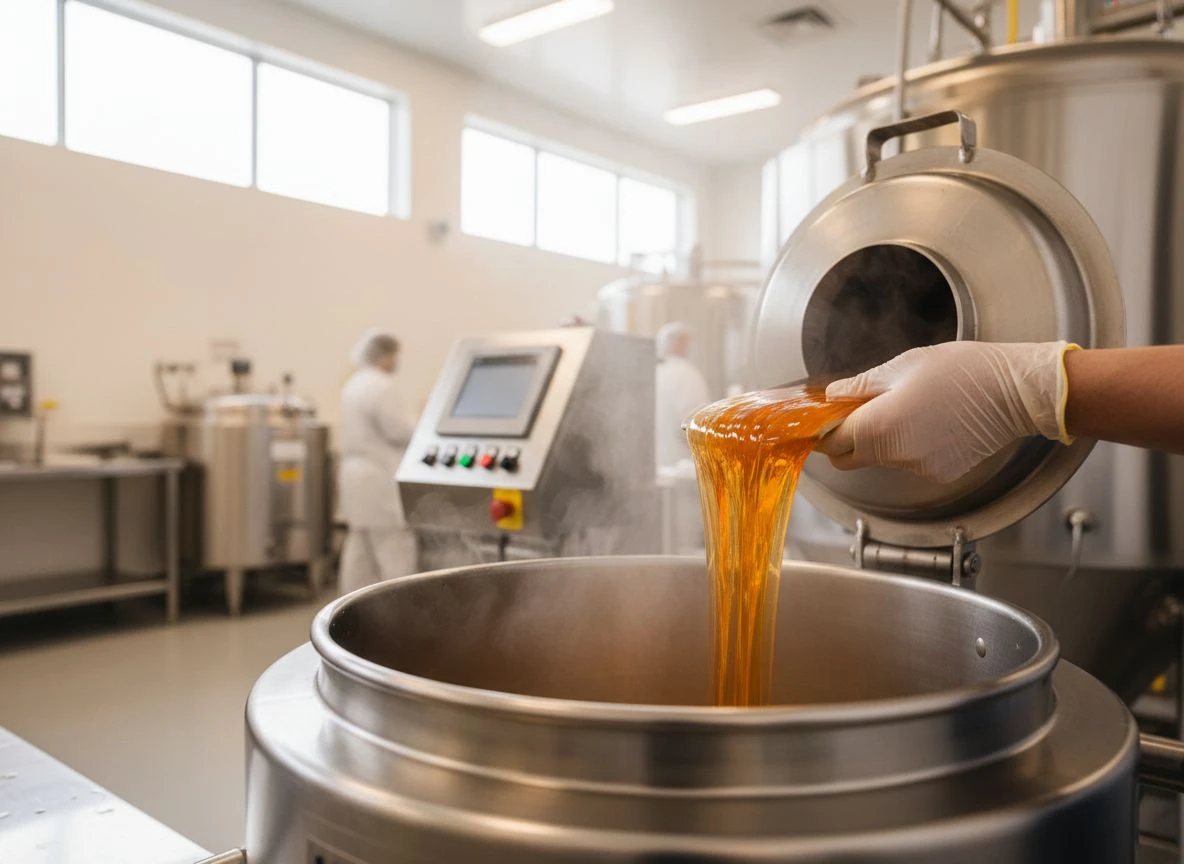
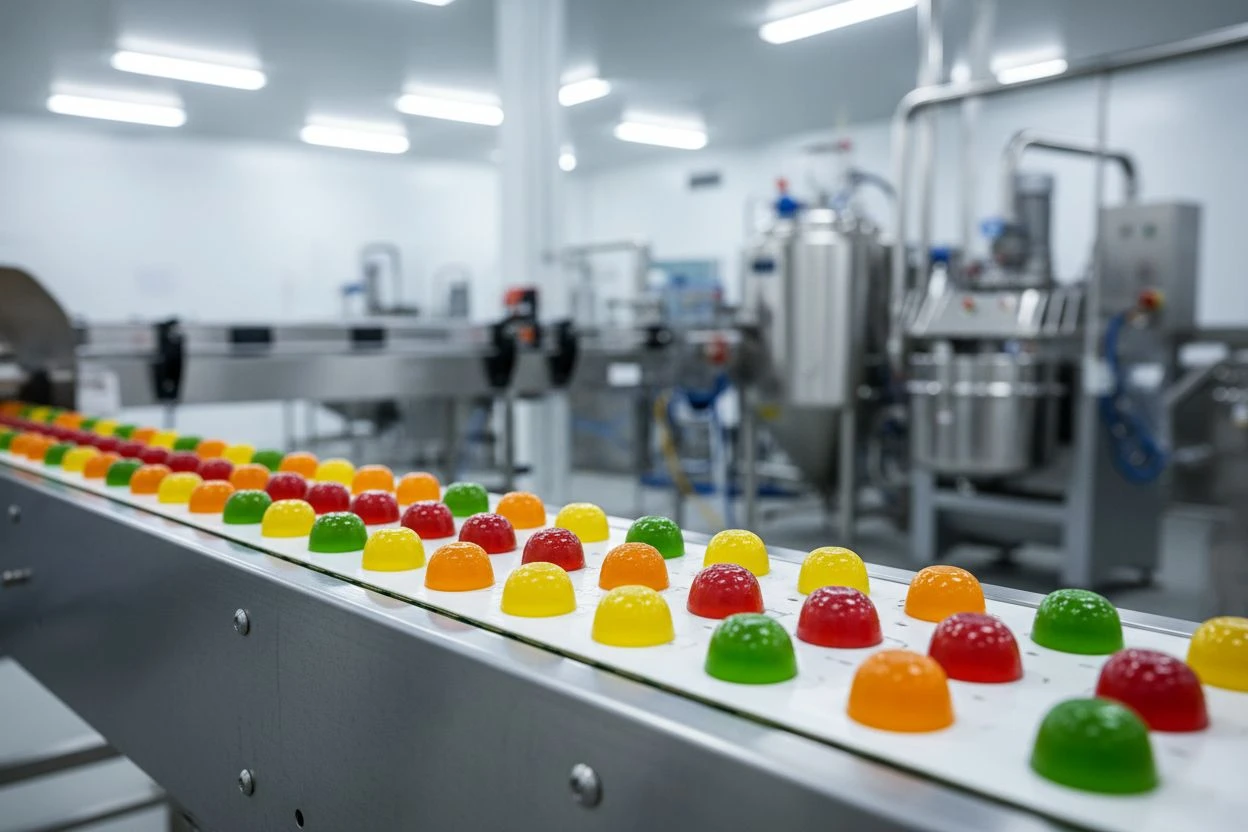
Here’s the core reality: making a gummy is basically an industrial cooking operation. It’s not a simple dry mix. That “wet, hot, sticky” process, as KorNutra described, needs huge amounts of energy for heating and cooling. It also needs lots of water for cleaning. A tablet factory doesn’t need nearly as much. This isn’t about good or bad intentions—it’s just physics and chemistry.
You might recall my article about gummies melting in a hot car. That stability problem isn’t just a nuisance for us. It’s a direct clue to the energy use behind the scenes. To stop that melting during shipping or on a shelf, the entire production area has to be perfectly climate-controlled. From cooking the gelatin or pectin mix, to putting it in molds, to the final curing stage, temperature and humidity are tightly managed. That heating and cooling load is huge and non-stop.
Now, think about tablet production. Dry powders get blended in a mixer—a low-energy step—and then compressed. There’s no cooking. There’s no liquid phase to maintain. There’s no long curing in a dehumidified room. The cleaning is different too. As the Kornutra analysis notes, meeting cleanliness standards for a gummy line means frequent, hot-water cleaning of cooking kettles, pipes, and depositor heads to stop sugar or gel buildup. A tablet press gets cleaned, but it doesn’t deal with the same sticky mess.
Finally, there’s the waste problem. In tablet making, if a batch is slightly off or you have leftover powder, you can often blend it into the next batch. Gummy “scrap”—misshapen or off-weight pieces—is different. That cooked, set material is very hard to reuse without hurting quality. So, what happens to it? Often, it gets thrown out. This lower yield means more raw materials and energy are used per bottle sold. It’s an often-invisible environmental cost built right into the process. The convenience we enjoy comes from a system that starts with a higher resource use.
The Massive Water Footprint of Gummy Vitamins
Let’s talk about an uncomfortable truth. We discuss carbon footprints all the time, but the water footprint of gummy making is the hidden giant. Tablets need a sprinkle. Gummies require a flood—not just in the recipe, but to clean up the sticky mess and to grow some very water-heavy raw materials.
Water Use in Factory Cleaning and Sanitation
Remember KorNutra’s “wet, hot, sticky” line? That stickiness is the issue. Factories must follow strict cleanliness rules. They can’t let sugar or gel residues build up in the equipment, or you risk contamination. So, between batches—and sometimes during runs—those big cooking kettles, pipes, and depositor heads get blasted with hot water. We’re talking about significant volumes of water just for cleaning. This step simply doesn’t exist on the same scale in a dry tablet facility. Every shutdown for cleaning is water down the drain.

Agricultural Water for Gummy Ingredients
The water cost isn’t just at the factory. It’s in the ingredients too. Take one strong example: cannabis-derived ingredients for Delta-9 or CBD gummies. A 2026 analysis by CERI Justice found that outdoor cannabis farming can use up to six gallons of water per plant, per day. That’s before the plant is ever extracted, mixed, or molded. Not every gummy has cannabinoids, but this shows how sourcing specific raw materials can massively increase a product’s total water footprint. It’s a supply-chain multiplier.
New Technology for Reducing Water Waste
The good news? Smart engineering is starting to help here. As sustainable manufacturers like Vircgummies.com note, some facilities now use water recycling and closed-loop systems for cooling. Others are optimizing cleaning systems to use less water more effectively. The technology exists. It’s about investment and priority.
Look, I’m not saying you should feel guilty about your daily vitamin. I am saying that if we value these products, we should also value the resources they use. Next time you pop a gummy, think about the journey—and the water—that made it possible. It’s a footprint worth considering.
High Energy Demands in Gummy Manufacturing
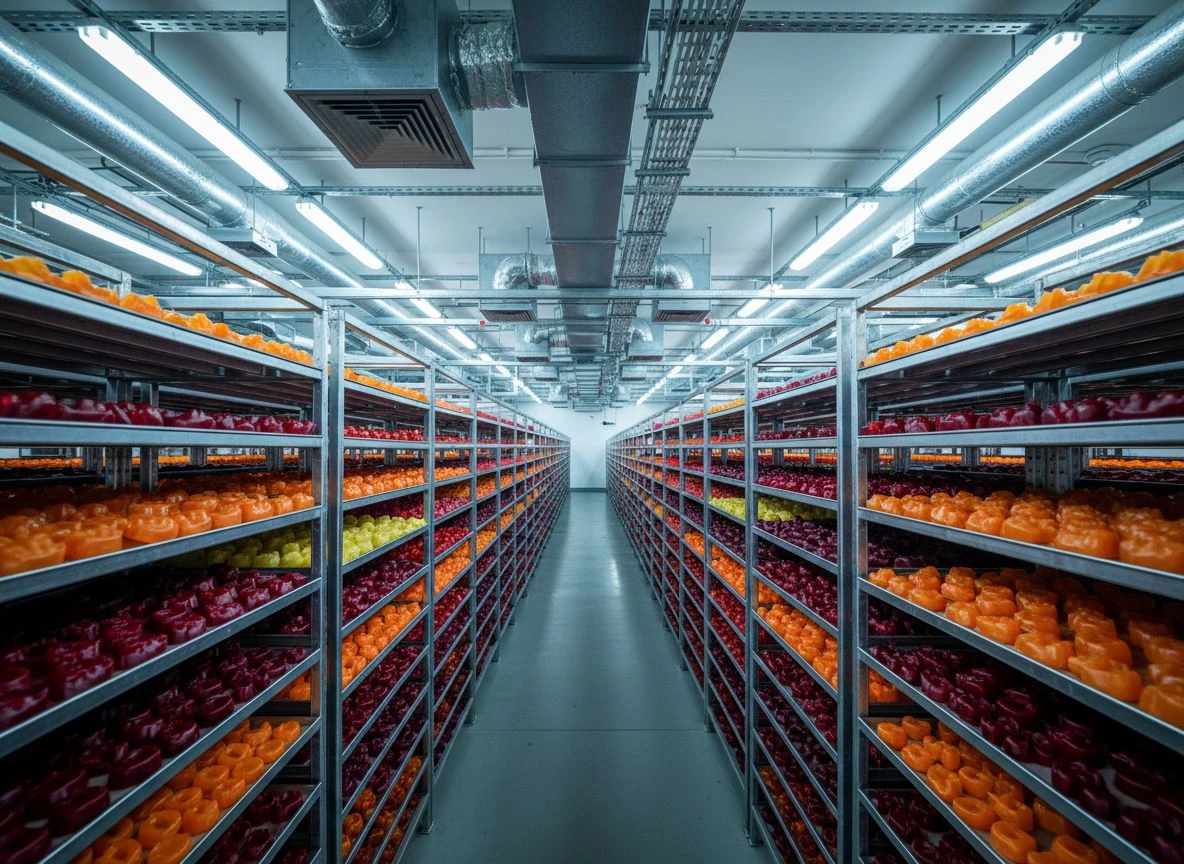
Here’s the uncomfortable energy math: stopping a gummy from melting on a shelf takes a huge amount of electricity to keep it from melting during production. The stability we want as consumers—a product that holds its shape in a warm pantry—forces a perfectly climate-controlled factory from start to finish.
That CERI Justice report on cannabinoids is a shocking example for the whole industry. They found one extraction facility could use as much yearly electricity as dozens of homes. Now, scale that down a bit for the heating, mixing, and, most importantly, the dehumidified curing needed for any gummy.
This is the point most reviews miss. After being molded, gummies can’t just set at room temperature. They go into a curing stage in huge, dehumidified rooms or tunnels to get the right texture and moisture. If the humidity is too high, you get sticky, misshapen blobs that can grow mold. Too low, and they turn brittle. Keeping that exact, low-humidity environment across thousands of square feet of space 24/7 is an energy monster.
It’s the direct industrial answer to the “hot car” problem I wrote about. To make sure the gummy survives summer shipping, its whole creation must happen in a cold, dry, artificial winter. When a brand like Goli Probiotic+ talks about strict manufacturing standards, this energy-heavy climate control is a silent, major part of it. The cost isn’t just in dollars. It’s baked into the product’s carbon footprint long before it reaches a bottle.
Gelatin and Pectin Environmental Impact
Which gelling agent is truly more sustainable? The short answer is pectin, but the full story has more detail. Gelatin’s footprint is tied to livestock (land use, methane). Pectin’s comes from fruit farming (water, pesticides). Neither is impact-free, but plant-based fits better with current eco-trends and what people want.
I’ve reviewed lots of vegan gummies that call their “eco-friendly” pectin base. Honestly, I used to take that claim at face value. But when you look past the marketing, the fight between gelatin and its plant-based options gets complicated.
Let’s break it down. Bovine gelatin’s environmental cost is a direct part of industrial animal farming. As Ethicallifeworld.com outlines, it’s linked to major land use for cattle feed, deforestation, and methane emissions. The footprint is bundled with meat and dairy.
Pectin, from citrus peels or apple leftovers, avoids the livestock issue. That’s a clear win. The market is driving this shift. DataM Intelligence reports that 62% of US households bought plant-based foods in 2023, a trend powering the vegan gummy boom. But “plant-based” doesn’t automatically mean “low-impact.” Large fruit farms for pectin can use lots of water, chemical fertilizers, and pesticides. It’s a different type of footprint, not a non-existent one.
There are other choices, like agar-agar from seaweed. Sustainable manufacturers are looking into it. It has a cool profile—seaweed farming can absorb carbon—but making it on a mass scale is still a question.
So, who wins? From a strict carbon and land-use view, pectin usually has the edge. But the real lesson is that “sustainable” is rarely a simple box to tick. It’s about picking the complex farm footprint of plants over the linked livestock footprint of animals. For now, that seems to be where both the planet and the market are going.
Gummy Supplement Plastic Packaging Problems
Here’s the brutal truth: even if we perfect sustainable gummy making, we’re still left holding a plastic bottle. The supplement industry’s packaging problem is huge, and gummies—with their need to stay dry—are stuck in a really tough spot.
The Scale of Plastic Packaging Waste
Let’s start with the numbers. They’re hard to grasp. According to a Nutraceuticals World report, 1.8 billion plastic supplement bottles are sold every year in the U.S. alone. Plastic makes up 76% of all supplement packaging. That’s a mountain of single-use plastic just for our health. And recycling isn’t the magic fix. As the plastic-free brand Vegums notes, about 79% of all plastic waste ever made still exists in landfills or the environment. Every bottle we throw away is basically permanent.
Why Gummies Need Plastic Moisture Barriers
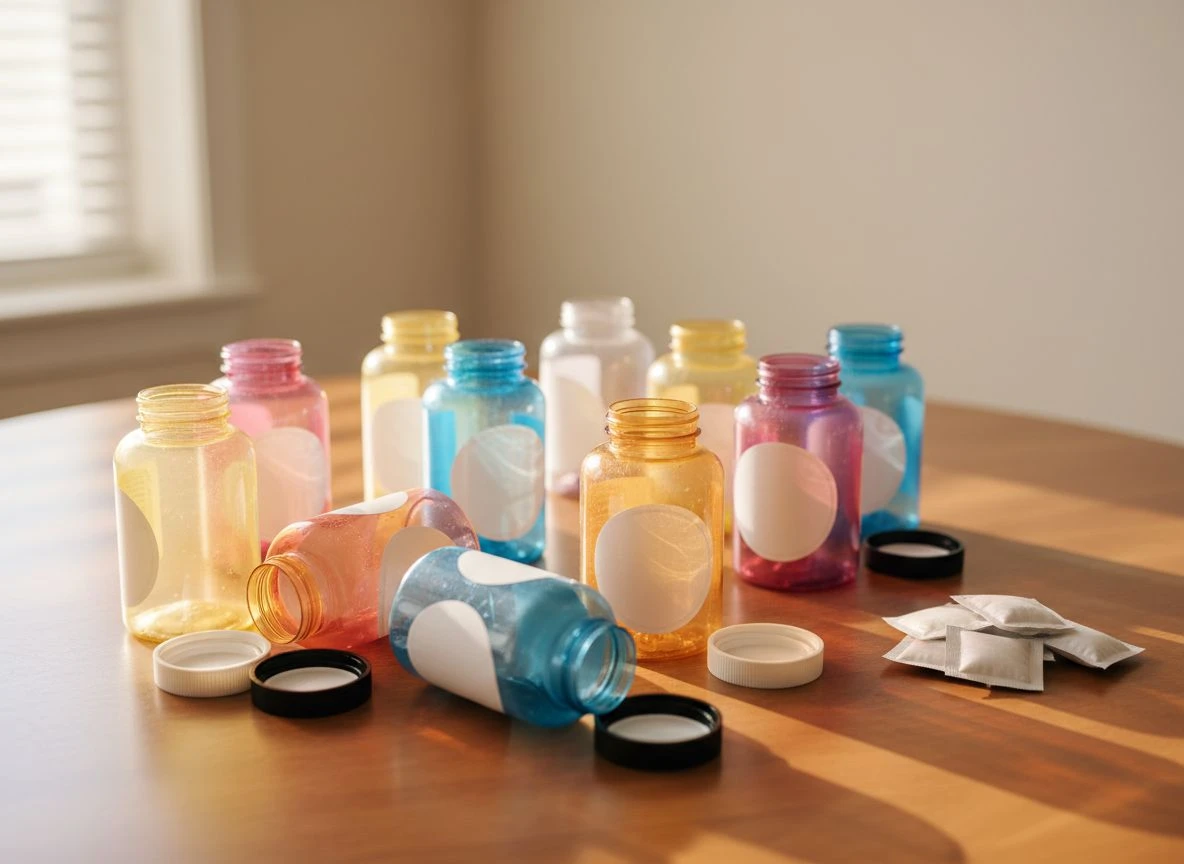
So why can’t brands just switch to paper or compostable materials? It goes back to the gummy’s core weakness: moisture. A tablet can live in a simple blister pack. A gummy in a humid bathroom will turn into a sticky, microbial mess. To prevent this and ensure shelf life, the packaging must be a perfect moisture barrier.
This need clashes with two other must-haves: child-resistant closures (a rule for many candy-like supplements) and a clear container so you can see the product. The result is often a multi-layered plastic bottle—sometimes with a fused seal and a silica gel packet inside. This combo is frequently non-recyclable. The very things that protect the product make its package a waste nightmare.
Are Eco-Friendly Packaging Claims True?
Some brands are pushing for change. DataM Intelligence highlights that big names like Olly Nutrition and SmartyPants now use 100% recycled plastic (rPET) bottles. Others, like HerbaLand Naturals, started compostable pouches, reportedly keeping 9 tons of plastic from waste in their first year.
But watch out for greenwashing. A “recyclable” label on a bottle that needs you to separate a non-recyclable cap, liner, and label isn’t honest. Real change is happening with mono-material plastics (easier to recycle), post-consumer recycled content, and, for some products, home-compostable pouches.
Here’s my challenge for you: Go look at your current gummy bottle. Check for the recycling symbol. Is it a #1 (PETE) or #2 (HDPE), the types most often recycled? Can you easily take all the parts apart? This simple act makes you a more aware part of the cycle. The packaging problem might feel huge, but consumer awareness is the first step to demanding better answers.
Environmental Impact of Shipping Gummies
Here’s an impact most of us never think about: just getting gummies to your door has a bigger carbon footprint than pills. It comes down to basic physics. Gummies are mostly water and sugar by weight and size. That makes them bulkier and heavier per dose than a concentrated tablet. That extra mass and size directly means more fuel burned to move them.
Let’s do simple math. A standard 60-count bottle of vitamin C tablets might weigh about 50 grams. A 60-count jar of vitamin C gummies can easily weigh 300 grams or more. That’s six times the weight for the same number of servings. Now, picture a pallet of 1,000 bottles. You’re moving tons of extra, non-active stuff: the gelling agent, the water weight, and the sugar.
This isn’t just the final trip to your home. It affects every step of a global supply chain: raw ingredients to the factory, finished product to warehouses, then to stores. Freight emissions are calculated per ton-mile. As Vitaquest’s comparison shows, the inefficient density of gummies means you burn much more diesel or jet fuel to deliver the same amount of nutrition.
The carbon result is clear. More weight + more bulk = more trucks, ships, or planes needed = a bigger transportation footprint. For a consumer trying to make an eco-friendly choice, this “shipping penalty” is a hidden but big part of gummy supplements’ total environmental cost. It’s the unavoidable price of moving tasty, water-heavy candy around the world.
Gummy vs. Tablet Full Lifecycle Analysis

Let’s compare directly: from sourcing ingredients to throwing the empty bottle away, traditional tablets almost always have a smaller environmental footprint than gummies. The difference comes from gummies’ basic nature as a wet, sugar-based food product versus a dry, pressed powder.
Raw Material Sourcing is our first split. A tablet’s core is dry powder—vitamins, minerals, maybe a flow agent. A gummy needs those same actives plus a gelling agent (gelatin from animals or pectin from fruit), liquid sweeteners, colors, flavors, and a lot of water. Getting gelatin links to livestock farming’s impacts. Pectin uses fruit industry leftovers, which is better but still adds farm layers tablets avoid.
Manufacturing is where the biggest footprints are made. As Kornutra’s analysis shows, gummy making is a “wet, hot, sticky” process. It needs huge energy for cooking and constant cooling/dehumidifying during curing to stop mold. The cleaning cycles alone use vast amounts of water and heat. Tablet manufacturing? It’s mainly dry blending and mechanical pressing—a much less energy- and water-heavy process.
Packaging tips the scale further. Tablets can use simple blister packs or bottles. Gummies, because they soak up moisture, need strong, airtight, often plastic containers with drying packets. This complex packaging is often non-recyclable, creating more immediate waste.
Distribution is simple physics. As we covered, you’re shipping the nutrition plus all that water, sugar, and gel. Gummies are heavier and bulkier. That means more fuel burned per dose delivered compared to dense, light tablets.
End-of-Life doesn’t help much. That complex gummy bottle often lands in a landfill. A #5 plastic tablet bottle or aluminum blister pack has a slightly better chance of being recycled. Neither is great, but the gummy’s packaging is typically worse.
So, tablets win on footprint. Honestly, it’s not a close race. But—and this is key—innovation in gummy making (renewable energy, water recycling, plant-based gels, compostable pouches) can shrink this gap. The best choice for the planet today is still a tablet, but the race isn’t over forever.
How to Choose Sustainable Gummy Supplements
Here’s the good news: your choices matter. While gummies have a heavier starting footprint, you can cut your personal impact by being a selective, demanding consumer. It’s about voting with your wallet for better processes and materials.
Look, I know it feels like a lot after reading about energy-heavy curing and shipping penalties. But the market is listening. DataM Intelligence found 45% of consumers will pay more for eco-friendly products. Research shows products with real sustainability claims grow faster. Brands are paying attention. Your job is to find the ones doing the real work.
Here’s your action checklist:
1. Prioritize Plant-Based Gelling Agents. This is your single biggest ingredient lever. Pick gummies made with pectin (from fruit) or agar over animal-based gelatin. This cuts the link to resource-heavy livestock farming. I look for this first in brands like Vegums or MaryRuth’s.
2. Demand Transparency, Not Just Buzzwords. Look past the “eco-friendly” label. Which brands talk about their actual energy use, water recycling, or renewable power? That’s where the meaningful factory cuts happen. Support the ones showing their work.
3. Scrutinize the Packaging. Choose post-consumer recycled (PCR) plastic, glass jars, or new materials like compostable pouches. The goal is to avoid brand-new plastic and complex, multi-material containers. If it’s #5 plastic with a non-recyclable seal and a drying packet, that’s a landfill trio.
4. Buy Larger Sizes. It’s simple math: a 90-count bottle uses barely more packaging than a 30-count. That hugely improves the packaging-to-product ratio. It also means less frequent shipping. Buy big, if you’ll use it before it expires.
5. Handle End-of-Life Properly. Don’t just toss the bottle. Check if the brand has a take-back or TerraCycle program. Rinse and recycle by your local rules (yes, even the little silica gel packet usually goes in the trash).
Your move this week? Check your own supplement routine. Take one product off your shelf and research its gelling agent, packaging type, and any sustainability claims. If you hit dead ends, that’s your answer. Then, find one swap that fits this checklist. It’s the most direct way to turn concern into action.
Future Solutions for Eco-Friendly Gummies
The core tension is real: we want effective, enjoyable supplements without harming the planet. The path forward depends on industry innovation—powered by hard engineering and your informed pressure—to close that gap.
My own switch from pill fatigue to gummy love was real. So was my gut-punch realization about their hidden footprint. That discomfort is where change begins. We’re not powerless. The EPA’s goal to cut plastic waste by 50% by 2030 sets a rule, but real momentum comes from brands re-engineering the “wet, hot, sticky” process, as Kornutra shows, and from consumers asking for proof.
I’m actually hopeful. Because when 45% of us signal we’ll pay more for truly sustainable options, brands listen. Our collective choices steer money toward plant-based pectin, renewable energy in factories, and packaging that doesn’t last forever. The greener gummy isn’t a dream. It’s the next product cycle, and you’re helping write the plan.

I founded Best Gummy Reviews after discovering shocking quality gaps during my own vitamin D treatment. With 8+ years in nutrition research, I combine lab science with real-world testing to tell you what actually works. I’m thorough but straightforward—supplements should complement your healthy habits, not replace them.