

Table of Contents
Here’s the plan. We’ll start with the tricky question at the heart of “ethical gummies.” Then we’ll break down the real trade-offs of ingredients like gelatin and pectin. We’ll expose the common loophole in “Made in USA” claims and decode what certifications actually promise (and what they quietly ignore). Finally, I’ll give you a concrete 5-minute audit script to separate marketing from meaningful ethics. This isn’t about guilt. It’s about making empowered choices, especially when it comes to selecting sustainable vitamin ingredients.
Are Ethical Gummy Supplements Even Possible?
Let’s face it: gummies are the gateway drug of the supplement world. They solved my pill fatigue. They made consistency effortless and even… enjoyable. But here’s the weird paradox I hit: can something that feels like candy—and is often full of sugars and flavors—ever be a truly ethical choice? My own journey from happy consumer to skeptical researcher started when I actually read the “other ingredients” list. I began digging into terms like “natural flavor” and “palm oil.” The supply chain rabbit hole is deep, dark, and honestly, exhausting.
We’re not talking small change. The global supplement industry makes over $140 billion annually. Gummies are its fastest-growing segment. We want to believe the marketing about “clean,” “natural,” and “ethically sourced” products. In fact, 73% of us say we’ll pay more for complete transparency. But are we actually getting it? Or are we just buying a nicely branded story? The quest for sustainable vitamin ingredients is central to this dilemma.
I get it—gummies are a fantastic, convenient format. I’m not here to ruin them. I’m here to peel back the cheerful marketing. I want to look at the complex, often hidden journey ingredients take from source to bottle. In this guide, we’ll tackle the core gelatin dilemma. We’ll expose the truths behind comforting “Made in USA” labels. We’ll decode certifications. And I’ll give you a concrete 5-minute audit script. This isn’t about guilt; it’s about empowered choice. Let’s get real.
Gelatin Versus Pectin Ethics Compared

Choosing a gelling agent is the first big ethical decision for any gummy. It’s often framed as a simple animal vs. plant choice. But the reality is a messy mix of waste, expertise, and environmental trade-offs. The “vegan” label doesn’t automatically mean something is sustainable. The choice directly impacts the sustainability of the final product.
Here’s the short version: Gelatin (from animal collagen) is the reliable, low-waste industry standard. But it comes with ethical baggage for many people. Pectin (from fruit) is the popular plant-based choice. But it’s notoriously hard to work with, leading to high waste that few brands talk about. There’s no perfectly clean choice for sustainable vitamin ingredients.
Gelatin Sourcing Ethics and Drawbacks
Let’s start with the usual option. Gelatin holds a dominant 62.88% market share for good reasons. It’s cost-effective, very forgiving during manufacturing, and gives that classic, satisfying chew. From a technical and waste-reduction view, it’s efficient. If a gelatin batch doesn’t set right, you can often re-melt it and try again. Scrap is minimal.
The ethical cost is its source. It typically comes from bovine hides or porcine skin. For consumers avoiding animal products or worried about industrial farming, this is a deal-breaker. Supply chain transparency is crucial here. Was the collagen a by-product of the meat industry? Or did its production create more demand? Most brands don’t give that level of detail. This lack of clarity conflicts with the goal of sourcing sustainable vitamin ingredients.
The Truth About Pectin Sustainability
This is where my personal curiosity went into overdrive. I kept noticing that some “vegan” gummy brands had weird texture issues. Some batches were perfect. Others were oddly brittle or sticky. My search for an answer led me straight into the complex world of pectin chemistry.
Pectin comes from citrus peel or apple pomace. It’s projected to grow at a 10.05% CAGR. It’s plant-based, allergen-friendly, and fits clean-label trends. Environmentally, sourcing from fruit by-products is a big plus for sustainable vitamin ingredients. But here’s the catch manufacturers don’t advertise: pectin is difficult.
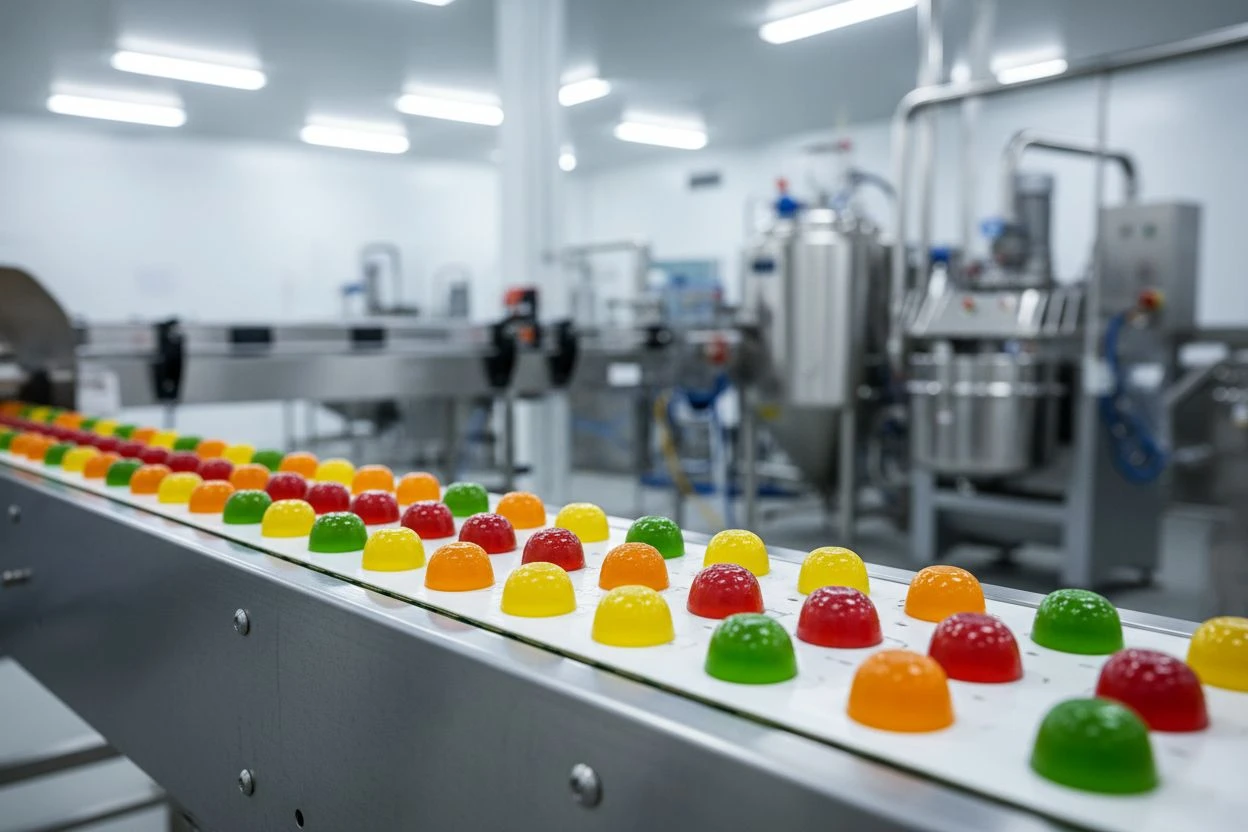
It requires surgical precision. The pH must be locked between 3.4 and 3.6. The temperature needs to hit around 180°F. Get either wrong, and the batch won’t gel properly. Unlike gelatin, you can’t just re-melt pectin and reset it. This isn’t a minor adjustment. It’s often a total loss.
Hidden Costs of Gummy Ingredient Waste
That leads us to the hidden footprint. According to technical guides, a failed pectin batch is often total production scrap. The potential for waste is much higher than with gelatin. This means wasted raw materials, energy, and water—all for a product marketed as the more “ethical” choice. When evaluating sustainable vitamin ingredients, this waste factor is critical.
So, “vegan” doesn’t automatically mean “low-waste” or even “ethically simpler.” It often means the ethical burden shifts from the pasture to the lab. It requires greater manufacturing skill to avoid creating a different kind of environmental problem. The most ethical brand is one that has mastered its chosen gelling agent to minimize waste. When you see a vegan gummy, ask yourself: did they nail the chemistry? Or are they just tolerating higher waste to use a marketable label? True sustainable vitamin ingredients require mastery of the entire process.
Where Your Gummy Ingredients Originate
What does “Made in the USA” on a gummy bottle actually guarantee? Between you and me, often shockingly little about the ethics inside. It’s the industry’s most common trick. It mixes up manufacturing origin with ingredient origin. Let’s break that down.
Here’s the frustrating truth. A gummy can be molded, mixed, and bottled in a clean, FDA-audited facility in Ohio. But it could contain Vitamin C made in China, ashwagandha root powder from India with questionable labor practices, and palm oil from Indonesia-linked deforestation. The “Made in USA” label is legally about the last substantial transformation—the mixing and molding. It’s not about where the raw materials came from. Brands do this for one main reason: cost. Sourcing ingredients globally from the cheapest suppliers keeps their expenses down but undermines sustainable vitamin ingredients.

So, what should a genuinely ethical supply chain look like? It starts with supplier audits. These are actual visits to farms and plants to check fair labor and environmental practices. This work creates long-term supply stability. The modern gold standard goes further. It involves blockchain traceability and investment in regenerative agriculture programs. You can sometimes track this via a QR code.
The question to ask any brand isn’t “Where is this made?” It’s this: “Can you show me where each key ingredient comes from? And how do you verify the ethics at its source?” If they can’t answer, you’ve found the limit of their transparency and their commitment to sustainable vitamin ingredients.
Understanding Gummy Supplement Certifications

Think of certifications as specialized tools. They aren’t blanket guarantees of purity. Each one checks something specific. That means it doesn’t check everything else. Before you trust a seal, learn what it’s really for.
What GMP Certification Really Means
Look for a GMP (Good Manufacturing Practices) or ISO 9001 seal for basic safety and consistency. It means the factory has procedures to prevent contamination, ensure accurate labeling, and keep quality consistent. It’s the non-negotiable starting point. What it doesn’t promise: Ethical sourcing. A GMP-certified facility can use the cheapest, least-transparent ingredients. The seal verifies how things are made cleanly, not what is put in or where it came from. It does not ensure sustainable vitamin ingredients.
Organic Gummy Standards Explained
The USDA Organic seal is powerful for one thing. It certifies that agricultural ingredients were grown without synthetic pesticides, fertilizers, or GMOs. It’s a meaningful standard for what’s not in the soil. What it doesn’t promise: Broader sustainable or ethical farming. Organic certification doesn’t require water conservation, soil health rebuilding, or fair wages. This is where the idea of Regenerative Agriculture becomes key. It focuses on actively improving ecosystem health. But it’s a practice, not a standard certification. You have to trust a brand’s specific claims about sustainable vitamin ingredients.
How Fair Trade Benefits Gummy Makers
This seal directly addresses the human element. It ensures farmers get a fair price and work in safe conditions. It’s crucial for single-ingredient items like coffee or cocoa. What it doesn’t promise: Comprehensive gummy ethics. A gummy has a dozen ingredients. One Fair Trade seal might only apply to its cane sugar. The other ingredients are a separate question. It’s a valuable piece of the puzzle for sustainable vitamin ingredients, but rarely the whole picture.
The takeaway? Certifications are pieces of evidence, not the final verdict. The most ethical brands often layer them together. They also do the hard, uncertified work—like direct supplier relationships and regenerative farming investments. No single seal can capture that full commitment to sustainable vitamin ingredients.
Unseen Ethical Issues in Gummy Production
Beyond the main ingredients, two common additives often hide big ethical gaps: palm oil and “natural flavors.” One is an environmental lightning rod. The other is a sourcing black box.
The Problem With Palm Oil in Gummies
Palm oil is used as an emulsifier to stop gummy ingredients from separating. The problem isn’t the oil itself, but how it’s usually sourced. Conventional production is a main driver of tropical deforestation. It destroys biodiversity and habitats. A truly sustainable operation minimizes this harm. The key is RSPO (Roundtable on Sustainable Palm Oil) certification. It’s not perfect, but it’s the main system verifying no new deforestation. If a brand uses palm oil and doesn’t mention RSPO, that’s a major red flag for sustainable vitamin ingredients.
Sourcing Mystery of Natural Flavors
This term is a regulatory catch-all. It can mean anything from cold-pressed fruit juice to lab-made compounds. The ethical question is: what’s the original source, and how was it grown? Truly ethical brands invest in real, traceable fruit sources. Think “organic blueberry flavor from Oregon blueberries.” That costs more and requires more supply chain work. “Natural flavors” without explanation is often the cheapest, least transparent option. It’s the exact opposite of ethical sourcing for sustainable vitamin ingredients.
How to Audit Ethical Gummy Brands
Let’s be real. Most of us don’t have time to become supply chain detectives. But you shouldn’t need a PhD to know if a brand is being honest. Here’s your quick-hit investigative scorecard. Grab the gummy bottle in your cabinet and follow these steps right now. With 75% of shoppers finding transparency “extremely important” and 79% of Millennials prioritizing it, this is how you spot the genuinely ethical brands.
I built this 5-point system based on what signals real depth, not just checkbox marketing. It’s inspired by brands that do it right, like Ritual with their visible supply chain maps.

Your Transparency Scorecard (0-5 Points)
- Specific Ingredient Origin Claims (1 Point). Look past “globally sourced.” Did they name the country or region for key ingredients? For example: “Vitamin D3 from lichen (United Kingdom)” or “Organic turmeric (India).” “Sourced from trusted partners” is a zero. Specificity earns the point and shows a focus on sustainable vitamin ingredients.
- Existence of a Supplier Code of Conduct (1 Point). This is the behind-the-scenes backbone. Check their website footer for “Responsible Sourcing” or “Supplier Code of Conduct.” This document should require fair labor, safe conditions, and environmental standards for all their suppliers. If you can’t find it in two minutes, assume it doesn’t exist publicly. This code is essential for verifying sustainable vitamin ingredients.
- Third-Party Certifications Beyond GMP (1 Point). GMP is a safety floor. It’s non-negotiable but not enough. Give them a point for visible certifications that address ethics: Fair Trade (for a named ingredient), RSPO (for palm oil), or Regenerative Organic Certified. A single, specific seal beats three vague ones. These certifications support sustainable vitamin ingredients.
- Packaging Transparency: Biodegradable vs. Recyclable (1 Point). “Recyclable” is the bare minimum. It often ends up in landfill anyway. The point goes to brands that explain their material choices in detail. Look for: “plant-based, home-compostable film” or “100% post-consumer recycled (PCR) plastic with a breakdown timeline.” If they only say “recyclable bottle,” it’s a zero. Packaging is part of the lifecycle of sustainable vitamin ingredients.
- Honesty About Challenges (1 Point). This is the true test of integrity. Do they openly discuss the complexities of their choices? For a pectin-based gummy, do they mention the precise science needed to avoid waste? Do they explain why a certain ingredient is hard to source ethically? Brands that admit supply chain hurdles are paradoxically more trustworthy in their pursuit of sustainable vitamin ingredients.
What’s Your Score?
- 0-2 Points: You’re likely looking at a brand using ethics as a marketing veneer. Their sourcing is probably opaque, favoring cost and convenience over sustainable vitamin ingredients.
- 3-4 Points: Solid effort. The brand is making real investments in transparency. They have identifiable ethical pillars, though there’s room for deeper traceability in their sustainable vitamin ingredients.
- 5 Points: Exemplary. This is a brand investing in radical transparency. They treat you like an informed partner. They’re the ones actually moving the industry forward with sustainable vitamin ingredients.
The goal isn’t perfection—it’s honest effort. A brand scoring a 4 but openly discussing its struggle to find ethical palm oil is more credible than one with a perfect 5 that feels too slick. Now you know what to look for.
The Real Price of Cheap Gummy Supplements
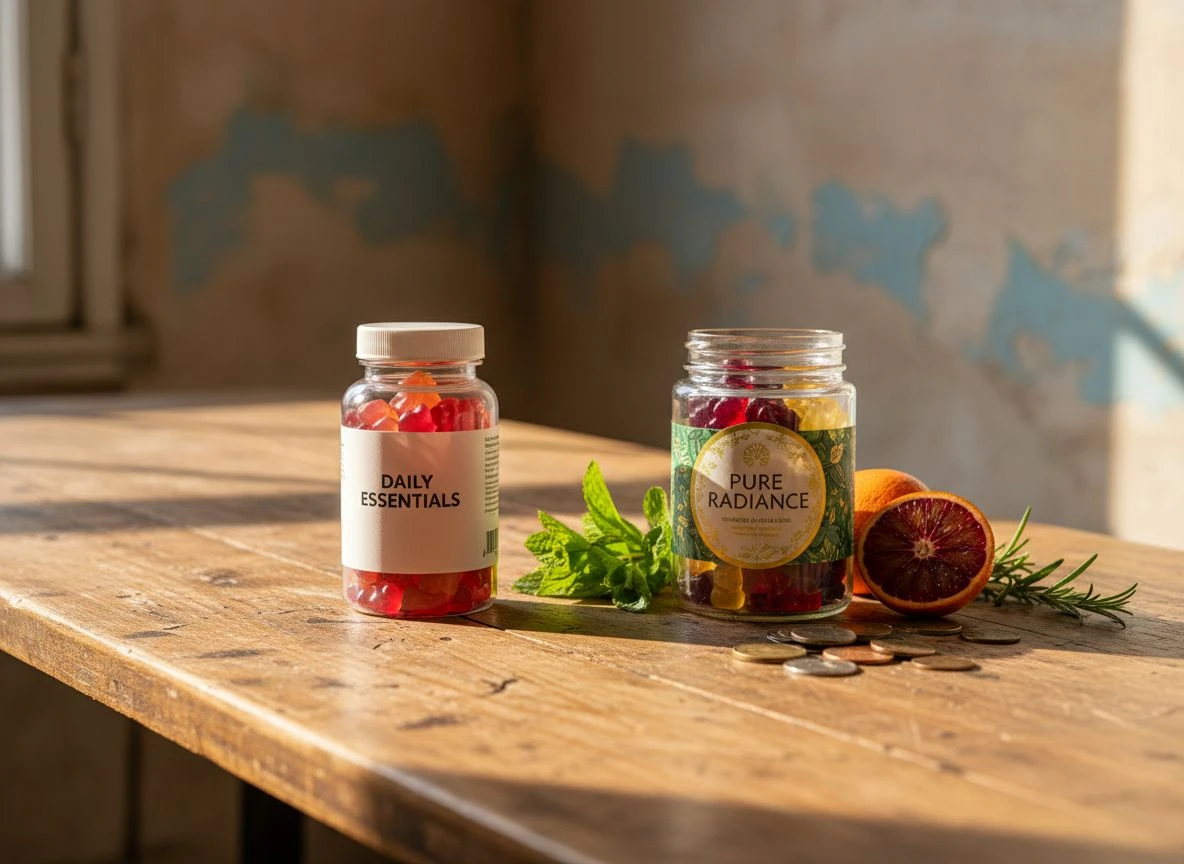
That price gap you see isn’t just markup. It’s often the literal cost of paying farmers fairly, rebuilding soil, and minimizing waste. Sustainable vitamin ingredients have higher upfront costs. This is due to fair trade premiums and rigorous certification. But they deliver long-term value through better quality and a much lower environmental impact [1].
I remember holding two bottles of vitamin C gummies. One was $12, the other $28. My first thought was, “Who are they kidding?” But then I read the transparent brand’s breakdown. The cost difference covered a verified fair-wage premium for the citrus farmers. It also paid for regenerative practices that made the soil healthier for next season. The cheap one just listed “ascorbic acid.” This shows the real cost of sustainable vitamin ingredients.
That’s the reality. When you buy a premium, ethically-sourced gummy, your money is potentially funding:
- Fair labor: Living wages and safe conditions for the people growing and harvesting sustainable vitamin ingredients.
- Regenerative farming: Practices that sequester carbon and improve soil health. This costs more than depleting the soil.
- Advanced manufacturing: Plant-based pectin gummies need precise, low-waste technology. A failed batch is total scrap, not just re-melted [6].
- Rigorous testing: Third-party verification for purity. This ensures no ethical corners were cut in the supply chain for sustainable vitamin ingredients.
The cheaper gummy almost certainly cut corners in those areas. The “savings” come at a hidden, deferred cost. We see degraded ecosystems, exploited labor, and a supply chain that’s less stable and more polluting. You’re not saving money. You’re just passing the bill to the planet and future generations. Investing in sustainable vitamin ingredients is an investment in the future.
What Makes a Truly Ethical Gummy?
Here’s the honest truth. Gummies are a processed food. There’s no perfectly “clean” path from a berry bush to your bottle. The real goal isn’t a guilt-free treat. It’s using your choices to support brands doing the hard work to make that path more responsible. Sustainability is no longer a niche concern. It’s become a core business driver [3]. Your demand is what’s pushing for better plant-based formulas and packaging [2, 4].
Perfection isn’t possible, but informed choice is. Remember the two most critical steps from the Scorecard. Demand specific ingredient origins. Look for third-party certifications that go beyond basic safety. Those are your levers for supporting sustainable vitamin ingredients.
So, be an investigative consumer. Use your wallet to vote for the supply chain you want to see. Every time you choose a brand that names its turmeric farm or uses Fair Trade cocoa, you’re sending a message. You’re telling the industry that transparency and ethics aren’t just marketing. They’re the new standard for sustainable vitamin ingredients. That’s the most powerful reality check there is.

I founded Best Gummy Reviews after discovering shocking quality gaps during my own vitamin D treatment. With 8+ years in nutrition research, I combine lab science with real-world testing to tell you what actually works. I’m thorough but straightforward—supplements should complement your healthy habits, not replace them.